Top 20 albums from 1956
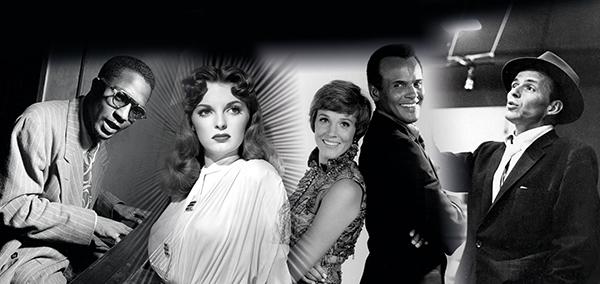
From orchestral symphonies to rock ’n’ roll, musicals to jazz, Ken Kessler, Steve Harris and Christopher Breunig bring you 20 landmark releases from the year HFN was born
If hi-fi began in the 1950s, what did it sound like? Judging from the popular albums and recordings of 1956, perhaps not much different to how it sounds now. Yes, the stereo LP was still one or two years away, CDs and streaming were decades off, and no one had heard of punk or electronica, but the staple genres of any audiophile’s collection – rock ’n’ roll, jazz and classical – were established. Billboard’s Top 100 had launched in 1955, albeit as an evolution of earlier forms of ‘best-seller’ lists. Many of the artists who scored high in the charts in 1956 remain major names in hi-fi and music today, finding new fans and listeners through vinyl reissues and streaming releases.
Calling Elvis
The 20 albums collected here (note that in some instances the album art used may differ from the original) have been chosen as a representative sample of what was ‘hot’ in 1956. The usual suspects all feature – Duke Ellington, Harry Belafonte, Vaughan Williams, Ella Fitzgerald – but there’s one obvious omission. Elvis hasn’t left the building, however. The King of Rock ’n’ Roll, then aged 21, launched not one but two albums in 1956, including his groundbreaking debut, Elvis Presley.
These albums are still available in one format or another. Some have been reissued/remastered many times; others, like Tennessee Ernie Ford’s Hymns, might require you to do a bit of digging to secure a physical media edition. All are well worth a listen if you haven’t heard them before.
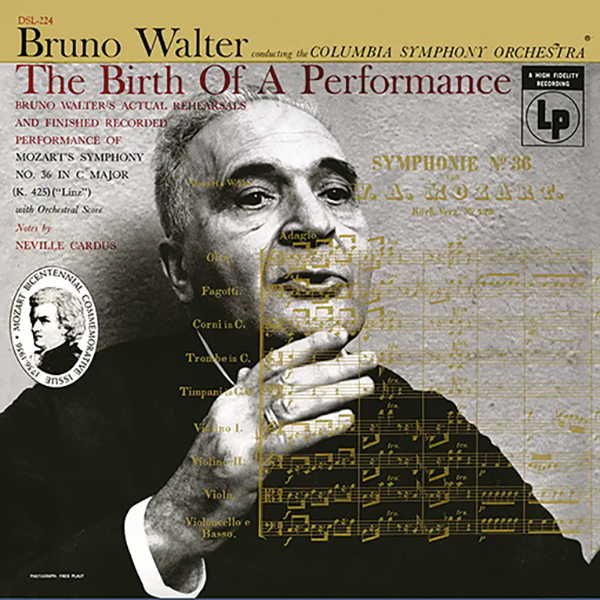
Bruno Walter
Mozart, Symphony No. 36
Philips A 01254/55
A rare chance for an audiophile in the 1950s to ‘eavesdrop’, as this performance of Mozart’s ‘Linz’ Symphony was coupled with a 96-minute rehearsal, Bruno Walter conducting the Columbia Symphony Orchestra. The set was first issued in the UK by Philips, and proved a revealing introduction to this Mahler acolyte who addressed his players as ‘Gentlemen’ and achieved results by a patience unknown to Toscanini (although he coaxed his players insistently until he achieved what he wanted). Fascinating listening, even if – as former HFN music editor Peter Gammond once told me, the resulting ‘Linz’ was ‘not that good’. CB
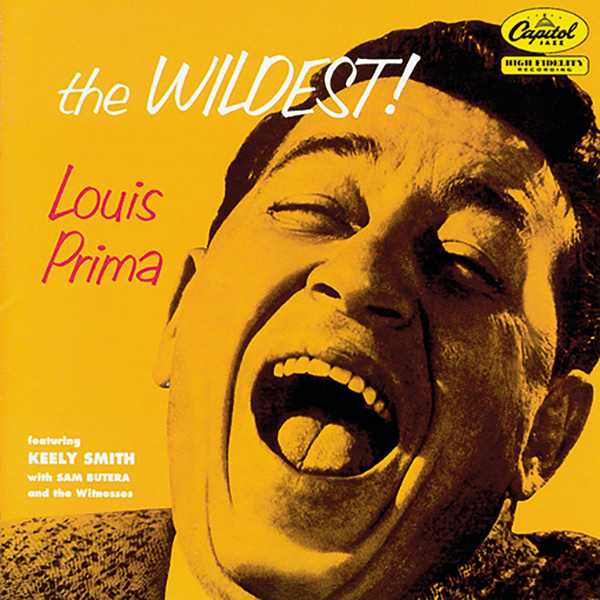
Louis Prima
The Wildest!
Capitol T-755
Prima had been around as a New Orleans jazzman and big band leader for nearly 30 years when he recorded his first long-playing vinyl record. The results belong in that area where R&B, blues and jazz contributed to the birth of rock ’n’ roll. Prima and the Witnesses swung in a manner still influential 30 years later – Van Halen’s David Lee Roth covered this LP’s opener, ‘Just A Gigolo’. With Keely Smith’s exquisite vocals, Sam Butera’s wailing sax and a residency in Las Vegas which defined that town’s entertainment, this LP proves my father’s belief that Louis Prima was the greatest showman ever. KK
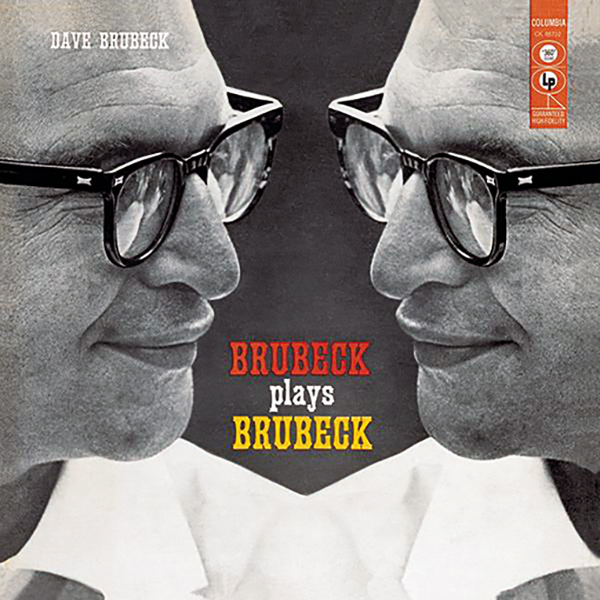
Dave Brubeck
Brubeck Plays Brubeck
Columbia CL 878
In November 1954 Brubeck became only the second jazz musician (after Louis Armstrong in 1949) to appear on the cover of Time. By 1956, his status as a leader and composer justified this piano solo album. With a more classical feel than his work with his quartet, the nine tracks include ‘In Your Own Sweet Way’, ‘The Duke’, ‘Two Part Contention’ and ‘Weep No More’. Not recently issued on vinyl, but remastered for CD and streaming in 2009. SH
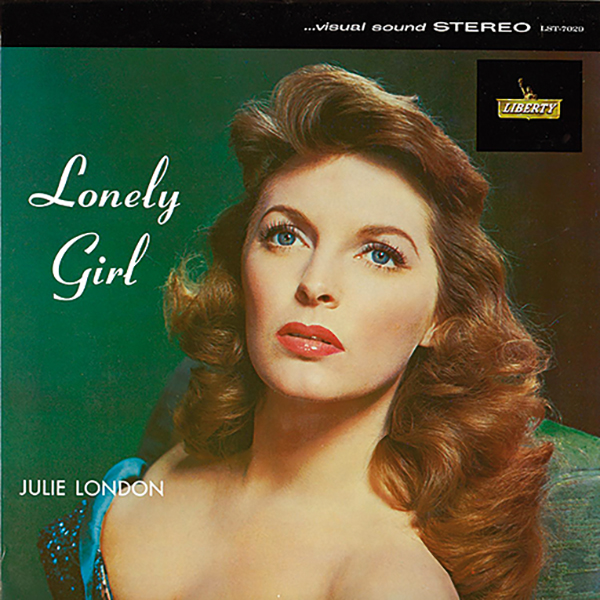
Julie London
Lonely Girl
Liberty Records LRP-3012
The first of two albums Julie London released in 1956, this was the sequel to her 1955 debut, Julie Is Her Name. That was a tough release to follow, as it opened with ‘Cry Me A River’, but she excelled here with songs from Irving Berlin, Bobby Troup, Rodgers & Hart and others from the Great American Songbook: ‘How Deep Is The Ocean’, ‘What’ll I Do’, ‘Where Or When’ and ten more. London ranks with the finest, up there with Ella, Patti, Dinah, Billie, Keely, et al. KK
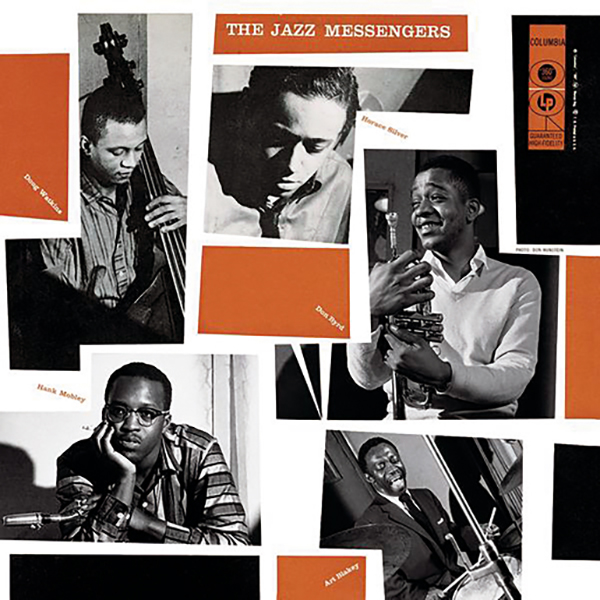
The Jazz Messengers
The Jazz Messengers
Columbia CL 987
Following the two Cafe Bohemia live albums and A Night At Birdland from Art Blakey’s 1954 quintet with Clifford Brown, this was the Messengers’ first studio album. Making be-bop sunny and accessible, it introduced pianist Horace Silver’s ‘Nica’s Dream’, which soon became a jazz standard. The Columbia/Legacy CD remastering of 1997 added four bonus tracks and an alternate take – these are also included on the 2011 Pure Pleasure double LP. SH
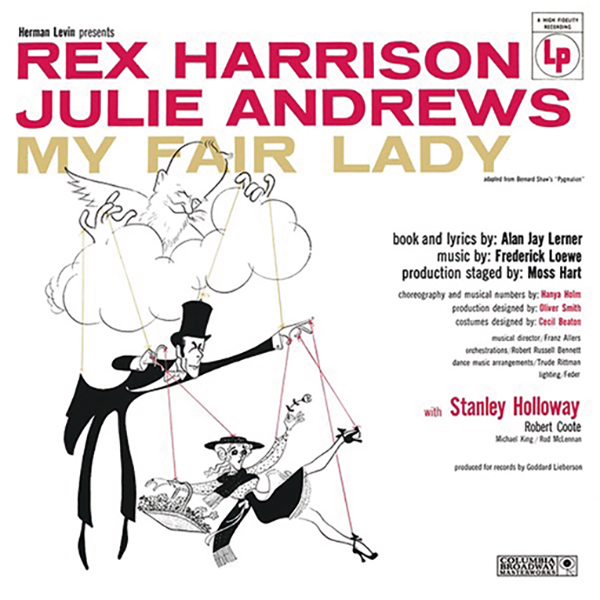
Rex Harrison, Julie Andrews, et al
My Fair Lady
Columbia OL5090
In Lerner & Loewe’s perfect retelling of George Bernard Shaw’s Pygmalion, Julie Andrews was the definitive Eliza Doolittle (sorry, Audrey…) and a droll Rex Harrison ideal as Henry Higgins. Every song is memorable, from the Cockney of ‘With A Little Bit Of Luck’ to the poignant ‘On The Street Where You Live’, and the performances matchless. It’s mono only, but you won’t notice. And my Dad’s first-pressing copy? Near-mint. KK
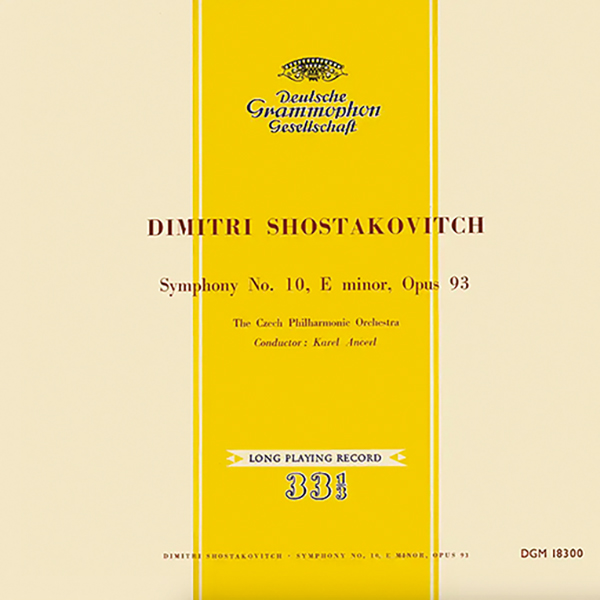
Karel Ancerl
Shostakovitch, Symphony No. 10
Deutsche Grammophon DGM 18300
Karel Ancerl was an Auschwitz survivor, appointed after rehabilitation to the Czech Philharmonic in 1950. He stayed there for 18 years before moving to Canada as the 1958 invasion occurred. His Shostakovitch recording, for Deutsche Grammophon in 1954, offers outstanding sound quality – reviews suggested it had ‘marvellous virtuosity with superb musical sensitivity’. For CD, DG later coupled it with Stravinsky’s Violin Concerto. CB
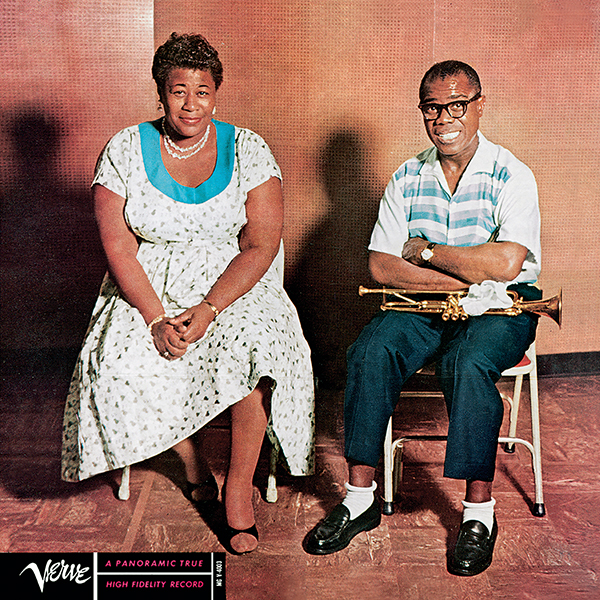
Ella Fitzgerald & Louis Armstrong
Ella & Louis
Verve Records MGV 4003
A collaboration like no other, this was the first of three LPs which Ella Fitzgerald and Louis Armstrong would record. As with other 1950s pop albums, the Great American Songbook’s standards were the default source material – Ella commenced recording her legendary series in February 1956 with the works of Cole Porter. Though sonically polar opposites, her crystalline vocals and Louis’ gruff growl meshed on ‘A Foggy Day’, ‘Cheek To Cheek’, ‘Isn’t This A Lovely Day’ and eight others, for one of the most charming albums of the era. This is the essence of American popular music. KK
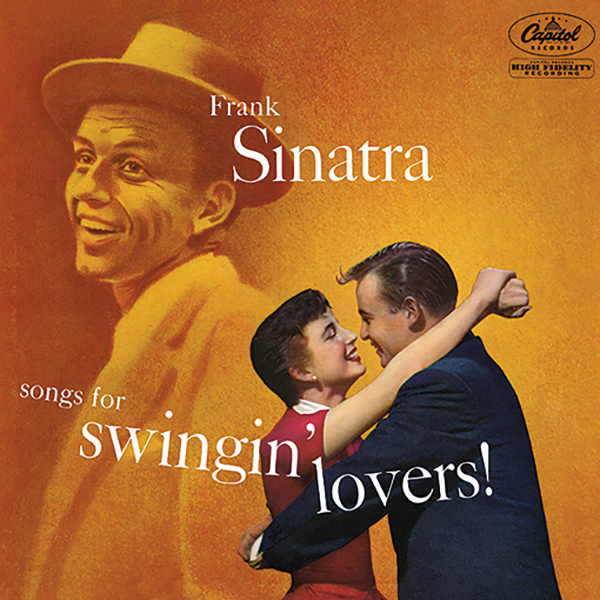
Frank Sinatra
Songs For Swingin’ Lovers!
Capitol W653
Reissued many times by normal and audiophile labels, Sinatra’s 10th studio album has the honour of being his first to top the UK charts. Arranged by Nelson Riddle, this masterpiece certainly lived up to its title, Ol’ Blue Eyes singing in a cool, hip manner that allowed him to fend off the emerging rock ’n’ roll juggernaut. All songs are from the Great American Songbook: ‘You Make Me Feel So Young’, ‘Anything Goes’, ‘Pennies From Heaven’ and 12 more, sung to perfection. KK
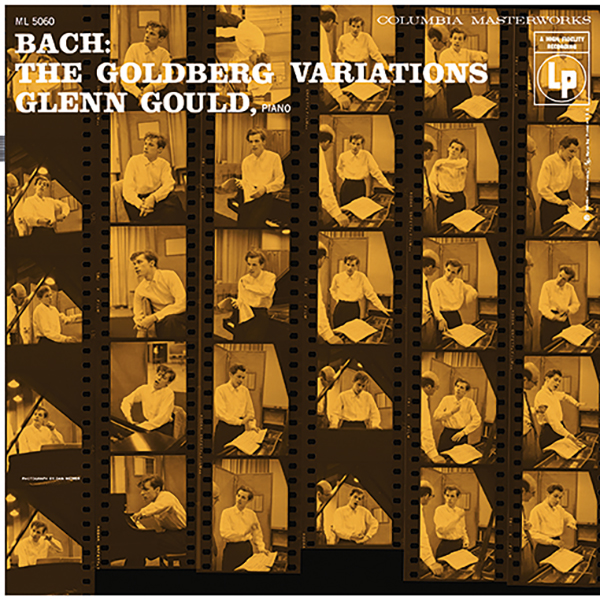
Glenn Gould
Bach: The Goldberg Variations
Columbia Masterworks ML 5060
This debut recording put the eccentric 22-year-old Canadian pianist Glenn Gould on the musical map. It was made at Columbia Studios New York, and has been variously remastered over the years – including a 1968 electronic ‘stereo’ transfer from the mono tapes, and a 180g vinyl reissue in 2015. A current 2CD Sony set [88725411822] includes Gould’s Grammy Award-winning 1981 remake, which was also issued in a recreation from a Yamaha Disklavier. CB
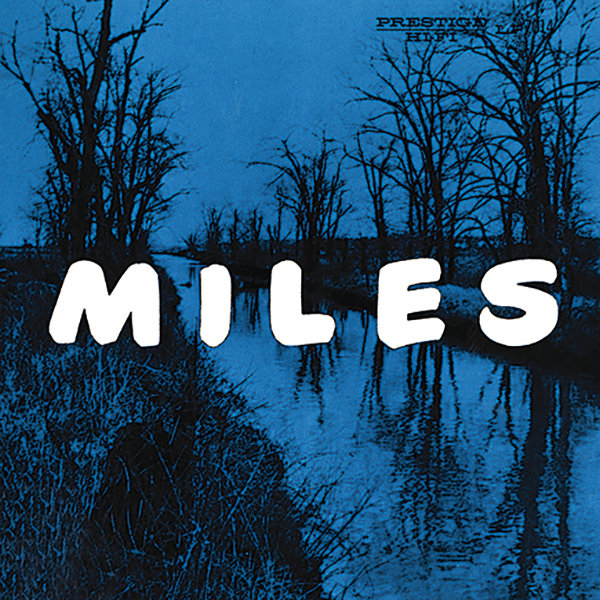
New Miles Davis Quintet
Miles
Prestige PRLP7014
Cut in late 1955 and released in April ’56, this introduced what would later be called ‘the first great quintet’, with John Coltrane, Red Garland, Paul Chambers and Philly Joe Jones. Miles wanted to move to Columbia, but his Prestige deal specified four more albums, so he recorded them in May/October 1956, to be released later. With the quintet at its peak, Cookin’, Workin’, Relaxin’ and Steamin’ are regarded as classic, but the earlier Miles was the real turning point. SH
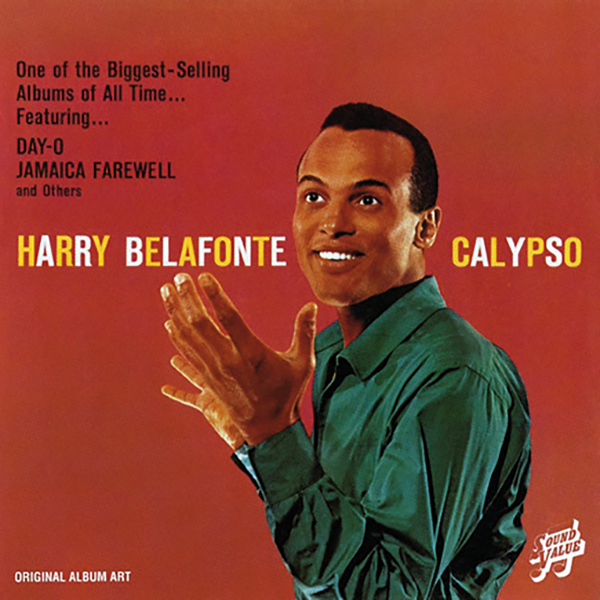
Harry Belafonte
Calypso
RCA LPM-1248
Belafonte’s third album could have been called Seconds: his second LP of 1956 and his second No 1, after his eponymous second LP. It topped the charts for 51 weeks and is believed to be the first album to sell one million copies. The opening track – ‘Day-O (The Banana Boat Song)’ – is regarded as a career high, and it later featured on that audiophile fave, Belafonte At Carnegie Hall. Avoid the reprocessed stereo version – this must be heard in mono! KK
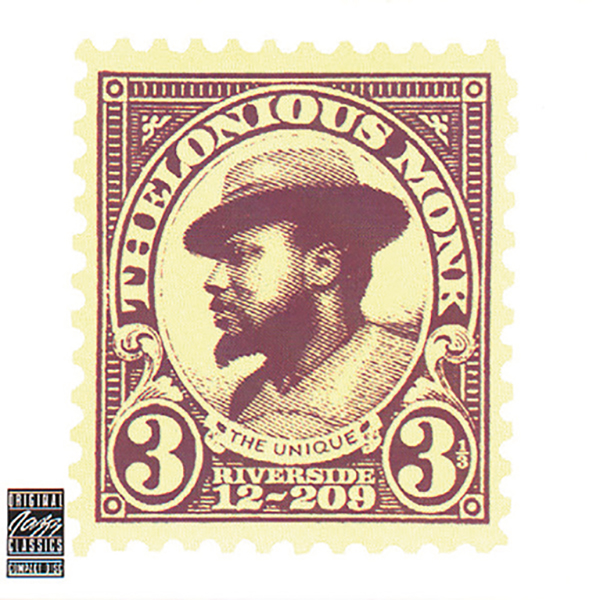
Thelonious Monk
The Unique Thelonious Monk
Riverside RL12-209
To combat perception of Monk’s own music as ‘difficult’, Riverside asked him first for an album of Ellington tunes and then this set of old standards when it signed him in 1955. Monk delivers ‘Honeysuckle Rose’ and ‘Tea For Two’ with Art Blakey and Oscar Pettiford, but his unaccompanied ‘Memories Of You’ is wonderful. You can get this along with the Ellington album on a Jazztwin CD, or seek out Concord’s official reissue for streaming. SH
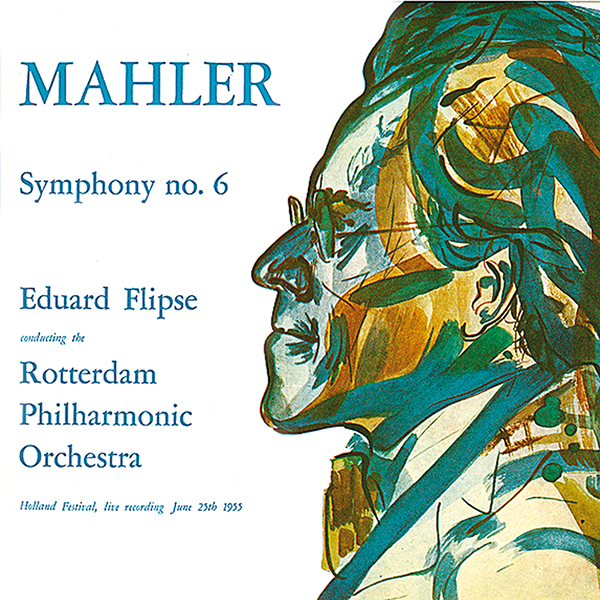
Eduard Flipse
Mahler, Symphony No. 6
Philips ABL 3103/04
Mahler’s ‘Tragic Symphony’ first appeared in the UK catalogue in a Delta recording by the VSO, but was then surpassed by this June 1955 live recording from the Holland Festival, given in the Amsterdam Concertgebouw by the Rotterdam Philharmonic Orchestra under its then principal conductor Eduard Flipse. Here the slow movement is placed second, and there’s no first-movement repeat. Flipse led his Rotterdam players from 1930 to ’62, (Discogs suggests a very modest recording tally with just Mahler 8 and music by Willem Pijper). This is out of print on disc, but available digitally from Decca. CB
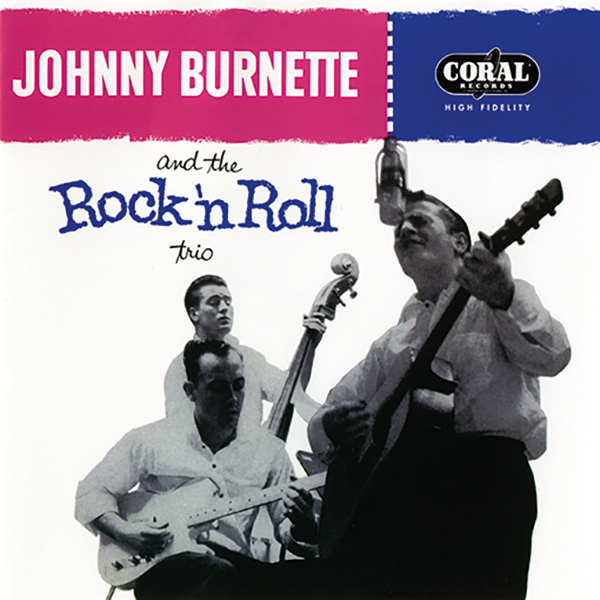
Johnny Burnette
...And The Rock ’N Roll Trio
Vogue/Coral 10041
Overshadowed by Eddie Cochran, Jerry Lee Lewis and most of the other rock ’n’ roll pioneers, this seminal American rockabilly act holds special significance for the British (who also had a greater appreciation of Buddy Holly than his home market). This LP inspired most of the ‘British Invasion’ artists of 1964-1966: The Beatles covered ‘Lonesome Tears In My Eyes’ while The Yardbirds’ version of ‘Train Kept A-Rollin’’ became a live essential. The US 12in LP arrived in 1957. KK
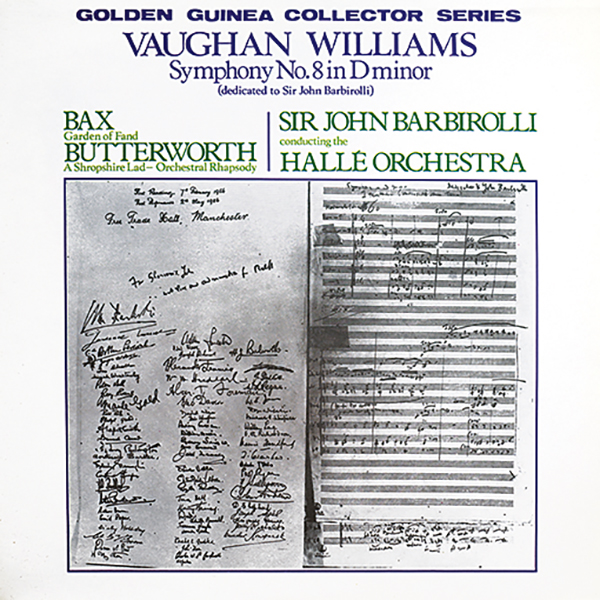
Sir John Barbirolli
Vaughan Williams, Symphony No. 8
Pye Nixa NCT 17000
Completed three years after his Sinfonia Antartica, Vaughan Williams’ Eighth Symphony was premiered in Manchester by Sir John Barbirolli – VW wrote on the manuscript ‘For Glorious John, with love and admiration from Ralph’. Shortly afterwards a Mercury team made this first recording, issued on Pye 10in. Williams’ shortest symphony, its second-movement scherzo is written for winds only and its exuberant Toccata finale calls for ‘all the ’phones and ’spiels known to the composer’. CB
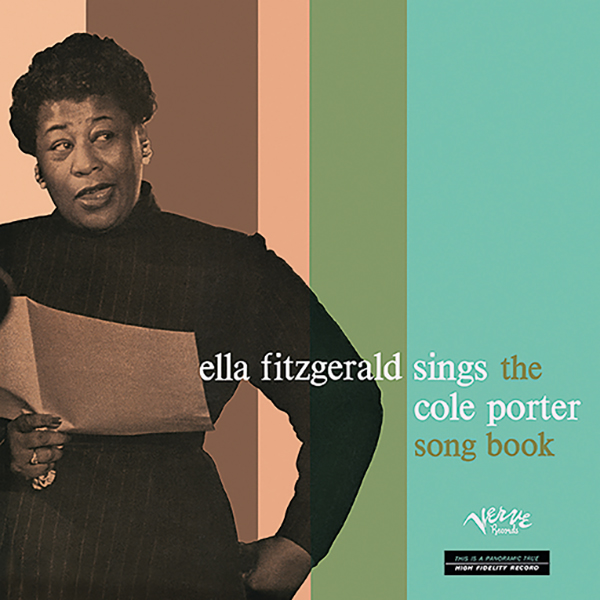
Ella Fitzgerald
...Sings The Cole Porter Songbook
Verve MG V-4001-2
In the first of the eight amazing ‘Songbooks’, Ella revealed the sheer scope of her artistry. Buddy Bregman’s arrangements were varied and imaginative, from romantic strings on ‘Ev’ry Time We Say Goodbye’ and swinging brass on ‘Just One Of Those Things’, to Paul Smith’s intimate piano on ‘Miss Otis Regrets’ and Barney Kessel’s smooth guitar on ‘I Get A Kick Out Of You’. Just to mention these titles is to realise how many of Ella’s interpretations have become definitive. SH
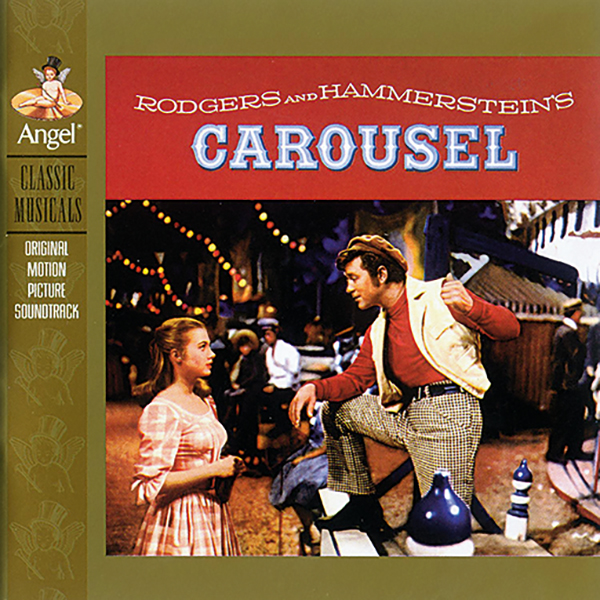
Rodgers & Hammerstein
Carousel
Capitol Records W694
A UK No 1 in 1956, the glorious soundtrack to the film Carousel of the 1945 Rodgers and Hammerstein stage musical starred Gordon MacRae and Shirley Jones. It’s the story of a ne’er-do-well who dies and returns to earth to make amends; notably, this gave us the football anthem, ‘You’ll Never Walk Alone’. While recorded in six-channel magnetic stereo for CinemaScope, the original LP was mono. Stereo LP and open-reel tape followed in ’58. KK
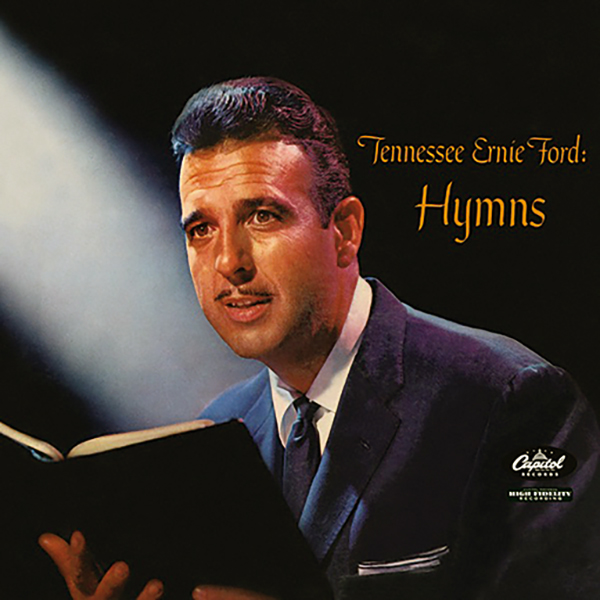
Tennessee Ernie Ford
Hymns
Capitol T756
Though best remembered for his No 1 hit ‘Sixteen Tons’, Ford applied his inimitable bass-baritone voice to pop, country, folk and here, on only his second LP, gospel. The enormous success of the album (it enjoyed a staggering 277 weeks in the Billboard charts) led to it being re-recorded by Capitol in stereo in 1962. The dozen tracks include heartfelt renditions of ‘Rock Of Ages’, ‘The Old Rugged Cross’, and ‘Sweet Hour Of Prayer’. KK
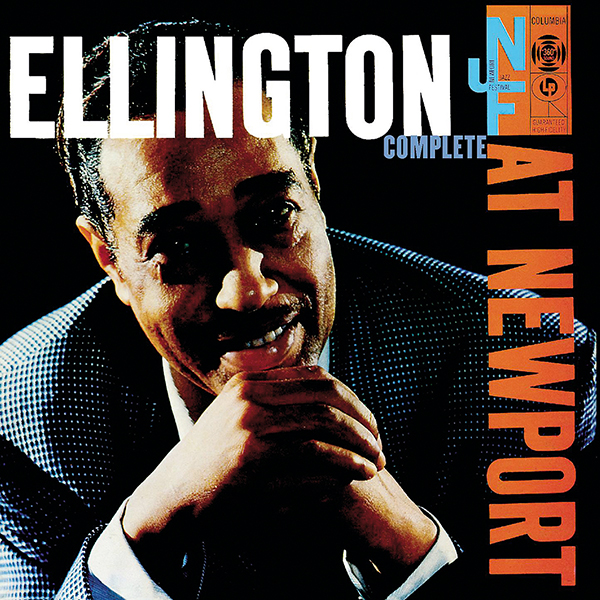
Duke Ellington & His Orchestra
Ellington At Newport
Columbia CL 934
‘Diminuendo And Crescendo In Blue’ was a pair of pieces Duke had written in the 1930s, but this time the filling in the sandwich came from tenor saxophonist Paul Gonsalves, who launched into a wailing, bluesy solo that extended for 27 12-bar choruses (more than six minutes), and had the crowd on its feet yelling for more. A good chunk of this 1956 ‘live’ album actually came from re-recordings in the studio. When more live tracks came to light these were mixed into a two-hour ‘Complete’ stereo remastering issued in 1999. Worthwhile even if all you want is the sax solo, as now Gonsalves can be heard in all his glory. SH






 SPONSORED VIDEO






| Equipment Reviews |  |
Music Reviews Awards | |
Latest News Features | |
Resources Newsletters | |
Subscriptions |
WHERE TECHNOLOGY BECOMES ENTERTAINMENT
 © 2026 Hi-Fi News
AVTech Media Ltd
All rights reserved