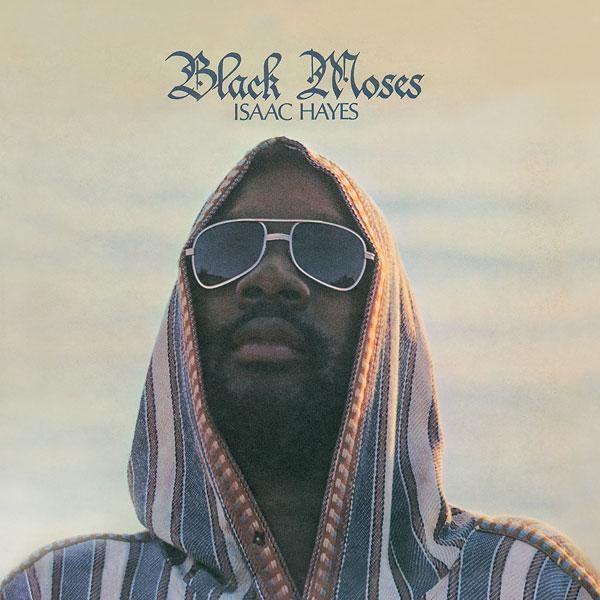
Johnny Sharp on the creation of the artwork for Isaac Hayes' 1971 album Black Moses
The resurgence in vinyl sales over recent years is not just about the sound emitted from those shiny black grooves. Many buyers, particularly younger ones, are just as attracted to album sleeves. And of those, a good proportion will tell you they like to have the full-fat LP package experience sat on their shelves unspoilt by actual plays, or even framed on their walls as artworks.
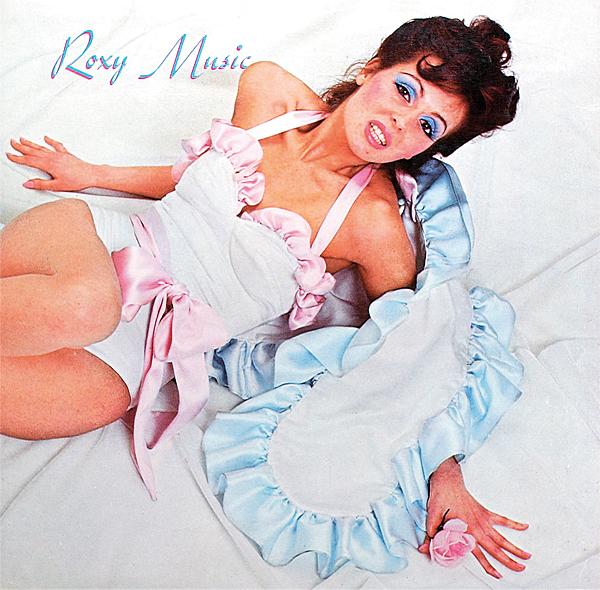
Johnny Sharp on the creation of the artwork for Roxy Music, the band's debut album
If ever there was a band that arrived on the scene fully formed, it was Roxy Music. Before they were even signed to a label, they had a startling, glitter-flecked, faintly androgynous image, and a unique hybrid sound. This blended stomping glam pop with jazz-inflected avant-prog and experimental electronica, drawing influences from show tunes to war movies and torch songs while adding dashes of sensuality, camp and black humour. And it helped, of course, that they threw some highly memorable tunes in there.
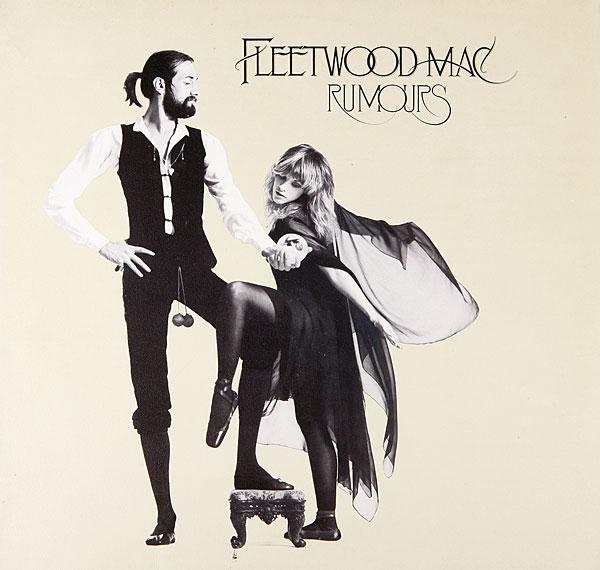
Johnny Sharp on the creation of the artwork for Fleetwood Mac's pivotal late '70s album Rumours
The '70s had no shortage of puzzling LP sleeve imagery. But if the image that adorned Fleetwood Mac's 1977 album Rumours was among the more perverse and baffling, that might have been because the band that made it had been driven to the edge of sanity while doing so.
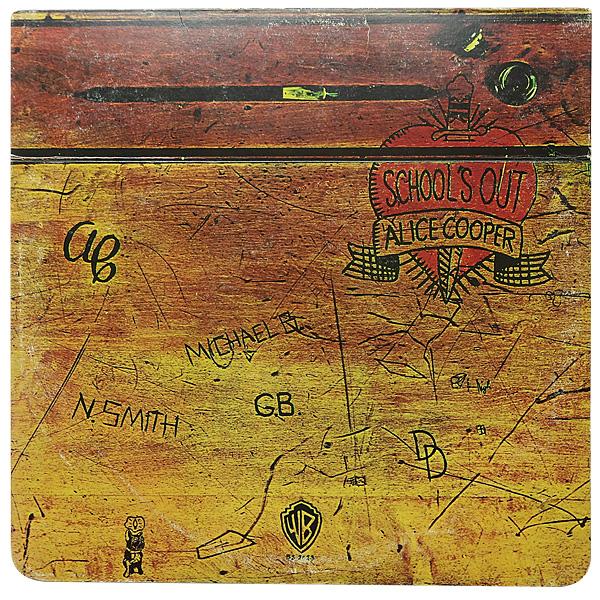
Johnny Sharp on the creation of the artwork for Alice Cooper's early '70s album School's Out
When Alice Cooper's single 'School's Out' swept across America in the spring of 1972 then went on to become an international smash hit, it offered a ready-made shoutalong anthem for a generation.
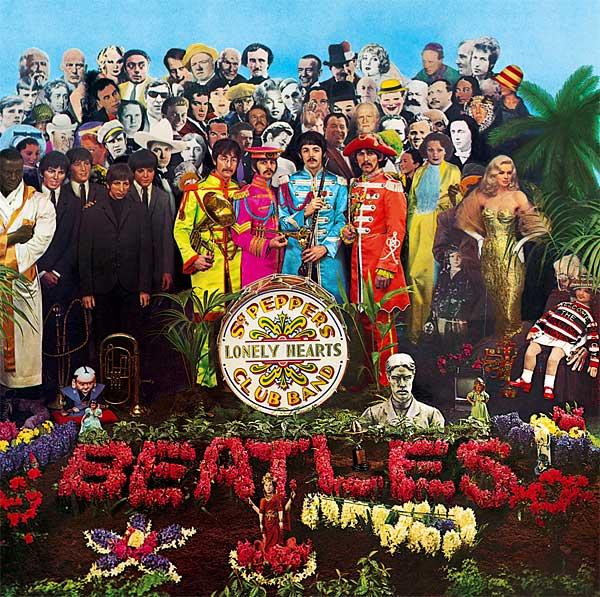
Johnny Black on the creation of the iconic artwork for the sleeve of The Beatles' Sgt Pepper's
The real story', said Paul McCartney in 1995, 'is that I was coming back from America on a holiday trip. I was in a very laid-back mode and dreaming away, and I started imagining this idea of The Beatles as another band, to be liberated, as liberated as I felt on this holiday'.
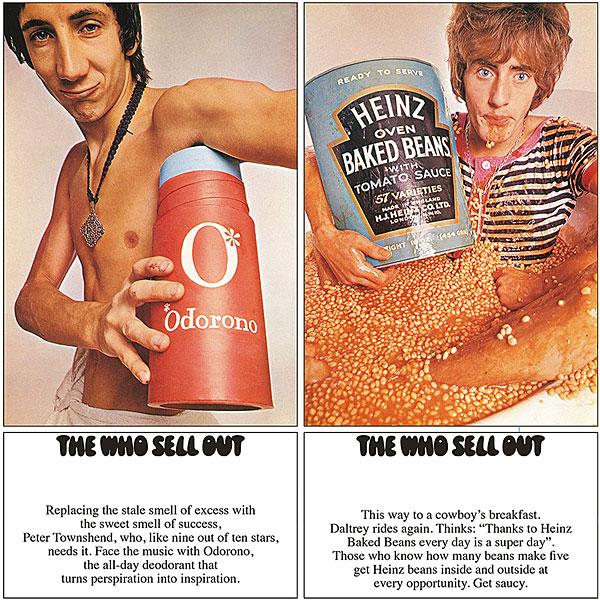
Johnny Sharp on the creation of the artwork for The Who's late '60s album The Who Sell Out
If you want an illustration of just how quickly pop evolved in the 1960s, you only have to look at the first two years of The Who's recording career. That was the stretch of time between their flinty, mod-informed R 'n' B rock debut LP – 1965's My Generation – and a cheekily post-modern third album that seemed to mock the very idea of pop music as anything more than a vehicle for commerce.
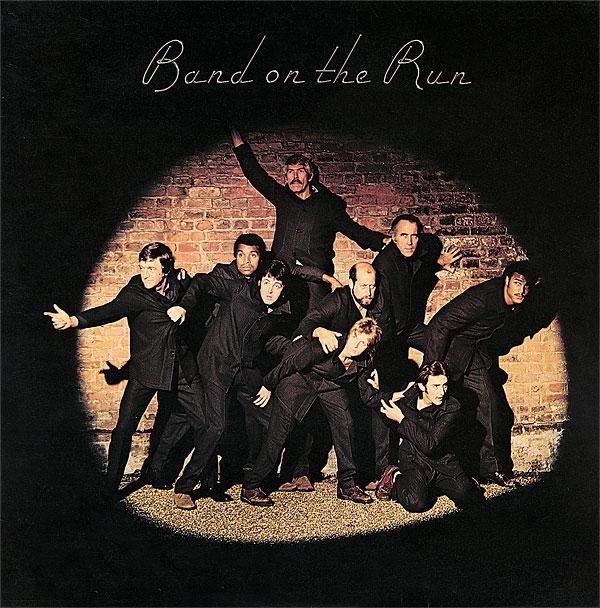
Johnny Sharp on the creation of the artwork for Wings' album Band On The Run
The naming and framing of an album is an underrated marketing tool. Whichever Paul McCartney/Wings LP of the 1970s is your particular favourite, ask someone to name one of the ex-Beatle's albums from that era and the chances are high they will pick Band On The Run.
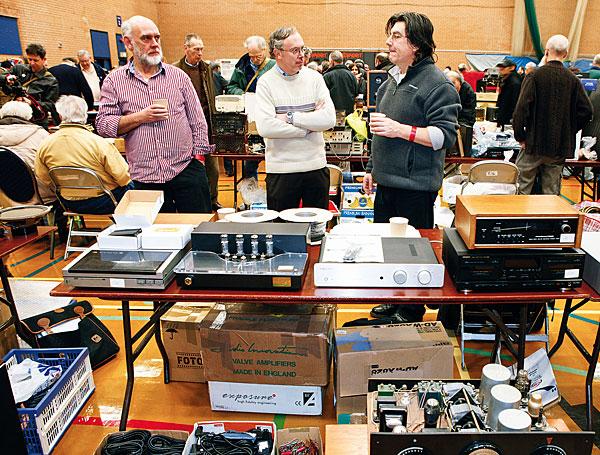
Tim Jarman tracks the trends in the current vintage hi-fi market...
Vintage hi-fi, like many collecting and preservation hobbies, is subject to the '30-year rule'. This states that today's top collectables are those products that were new about 30 years ago. The reasoning is that when you are young you covet certain items as objects of desire, yet lack the means to buy them. As life progresses, you (hopefully) become wealthier and look again at what it was that caught your imagination when young.
The latest wireless tech could be a boon for audio, as Barry Fox explains
The hype cycle is well under way. 5G is coming, starting slowly this year and rolling out through 2020 and beyond. But who cares? It's nothing to do with hi-fi and music, is it? Just the Fifth and latest generation of phone technology, which – yawn, yawn – works faster and better than the Third and Fourth Generations that have previously been heralded as the be all and end all of mobile phoning and lo-fi MP3 streaming.