Something in the air
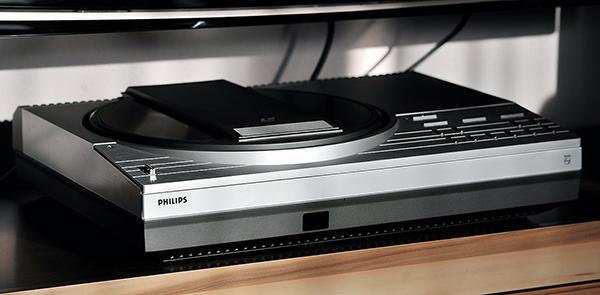
‘Browned off’ by the state of vintage books and magazines that have been digitally archived, Jim Lesurf is working on a software cure. If only it was that easy to ‘fix’ analogue tape and CDs
A few months ago I finally gave in and bought an Android tablet [HFN Dec ’25]. I’ve always loved ‘real’ books – just as I’ve enjoyed listening to music via an LP. However, I’ve avoided e-books in much the same way that some devotees of the LP tend to avoid CDs. I gave in when I discovered that there are now many thousands of free e-book files of old pulp fiction/sci-fi/detective magazines and books which I will, sadly, never see in print.
Having got the tablet I’ve been enjoying this wonderful range of content, despite still preferring ‘real’ books and magazines. However, I’ve noticed a parallel between audio and text examples. One where the phrase ‘browned off’ seems appropriate...
Layers ’n’ light
Time tends to be cruel to analogue tape recordings or LPs. Various physical processes tend to cause a change, which I’ll call ‘browning’ as a sign of the curious parallel between this and the oxidation that exposure to air and light inflicts on old magazines and paperback books.
Analogue magnetic tape consists of a layer of grains of a magnetisable material used to record the level of the magnetic field it was exposed to as it passed the recording head in the tape recorder. This then stores a pattern which can be ‘read’ by a replay head – allowing a listener to hear the sound patterns which were recorded onto the tape. However, exposure to sunlight, then oxygen in the air, or simply being rubbed on surfaces, can alter this layer.
A similar process occurs with paper made from wood pulp. The combination of oxygen in the air and light hitting the wood pulp causes the paper to ‘rust’ and develop a brown tint. And both for the paper pages and the tape recordings, the material can also become brittle and eventually disintegrate.
A similar effect can also arise with the material used to make LPs and 45s. Indeed, playback can (as with playing a tape or using light to read a book) also gradually damage the disc and alter the sound.
All of the above is one of the reasons that digital methods were developed... but as every engineer knows, the universe is out to get you! Hence even CDs can degrade if not made sufficiently well. For example, some of us may remember the way a number of audio CDs had to be recalled and replaced for free because a detail of how they were made caused them to suffer from a ‘brown rot’ effect that could render them eventually unplayable. Similar issues affected some LaserDiscs in the 1980s and 1990s.
The good news is that – if caught early enough – it can sometimes be possible to detect the effects and then use modern methods to create a ‘cleaned up’ version. When it comes to the scans of old books and magazines I’ve enjoyed, a computer program could look for oxidation browning and replace this with white to get black text on a white page again – I’m currently experimenting with writing software to that effect.
Clean up required
For this, it’s an advantage that the original is known to be black ink on a near-white page. Alas, with other forms of degradation, like the effects of domain modulation noise on old analogue tape, a similar trick is harder. But engineers are quite adept at inventing ways to clean up such messes, and enjoy a challenge.





















 SPONSORED VIDEO






| Equipment Reviews |  |
Music Reviews Awards | |
Latest News Features | |
Resources Newsletters | |
Subscriptions |
WHERE TECHNOLOGY BECOMES ENTERTAINMENT
 © 2026 Hi-Fi News
AVTech Media Ltd
All rights reserved