Radio technology
On the day war broke out, in September 1939, the BBC shut down its TV transmitter at Alexandra Palace. German aircraft could have used its signal to find London ‘blind’. The TV service started up again in 1946, using the same VHF 405-line system, rather than a higher definition system such as the 525-line service in the US.
Why miss the opportunity to improve on 405? Because the government and BBC, then pretty much the same thing, worried about bad press if they made pre-war TVs obsolete. However, many of those old sets no longer worked because their capacitors had leaked gunge during the seven-year downtime.
A chink in my armour
We got UHF 625 lines in 1964 and colour in 1967 but black-and-white 405-line transmissions were not switched off until 1985. Why such a long wait? Because the BBC and government again worried about bad press, this time around cutting remaining 405 viewers adrift. A few people with special needs were given free 625-line TVs when their 405 sets went dark.
How different things are now. Not-very-old digital radios are losing stations because of the progressive switch from DAB to DAB+. Meanwhile, the BBC has upgraded its Internet radio service from the cheap and cheerful Shoutcast system to the HLS and DASH standards.
A Shoutcast radio can be very simple with a small memory, because HTTP packets are simply served from each station to each radio, just as the web browser of a modern computer or smartphone accesses web pages. But Shoutcast cannot handle the huge numbers of listener connections that are now needed. Inevitably a lot of older receivers stopped receiving the BBC when Shoutcasting ended.
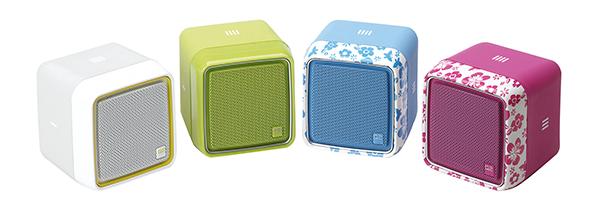
Among them was the clever Q2 Cube radio sold by Armour Home. These were colourfully cute little boxes that changed station and volume when turned or tilted. Most of the Q2 processing was done by a re-purposed Bluetooth headset chip, working with a bog-standard Wi-Fi chip, basic audio amping and an accelerometer to tell the radio which way up it was, and at what angle of tilt. This information switched the radio between four station presets, managed by connecting the Q2 Cube via USB to a PC running the relatively simple Q2 software app.
It’s a couple of years now since Q2 Cubes could receive the BBC. Now they can’t receive anything. The same thing has happened with other brands such as T+A. All the streamers that have been hit with silence rely on the vTuner aggregator/portal service.
Responsibly, T+A put out an apologetic alert for owners of streaming devices sold between 2007 and 2015, advising: ‘Our entire team are doing everything they can to find a solution’.
Armour was also seeking a solution, saying: ‘The Q2 is a 15-year-old system... we have no control over vTuner… and it sounds like this may have been turned off either accidentally or possibly vTuner have [sic] taken a conscious decision to no longer support the method. We are currently attempting to make contact with vTuner for a response’.
Yet another announcement came soon after. ‘The vTuner portal has finally shut down the services which made both the Q2 app and the radio itself operational, and after some investigation it has become clear there is no way to update or otherwise repair customers’ legacy hardware... In common with many other legacy Internet-based services, the Q2 Radio story has reached the end.’
Ashes to ashes
There was online chatter about vTuner bringing individual radios back to life through a paid subscription service. I sent vTuner the MAC address of my Q2 Cube (which is its unique ID for remote access) and asked about paying for a ‘resuscitation’. But I never heard back. Armour Home has had no joy either. So, it’s now RIP for a lot more Internet radios. And you can bet this most recent batch won’t be the last.













 SPONSORED VIDEO






| Equipment Reviews |  |
Music Reviews Awards | |
Latest News Features | |
Resources Newsletters | |
Subscriptions |
WHERE TECHNOLOGY BECOMES ENTERTAINMENT
 © 2026 Hi-Fi News
AVTech Media Ltd
All rights reserved