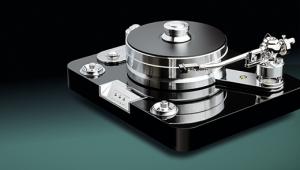
Pro-Ject Signature 12.2 turntable/arm Magnetic moments
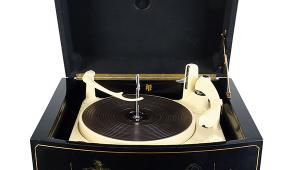
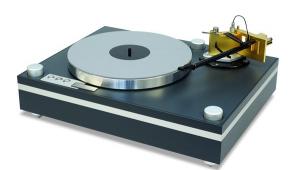
Magnetically assisted bearings may feel like an exciting new idea but, as with many things in hi-fi, they have a history stretching back further than many realise. The first turntable to use this technology was the Pickering Unipoise 800 of 1958, with a pair of opposing ferrite magnets placed around its main bearing, under the platter. In Pickering’s words this resulted in ‘NO RUMBLE!... the turntable floats on a bearing of air – in magnetic suspension’. After the departure of Walter Stanton in 1961 and the formation of Stanton Magnetics, the design was used in several Pickering and Stanton turntable models, including the Stanton Gyropoise 8004 of 1976 [pictured below].
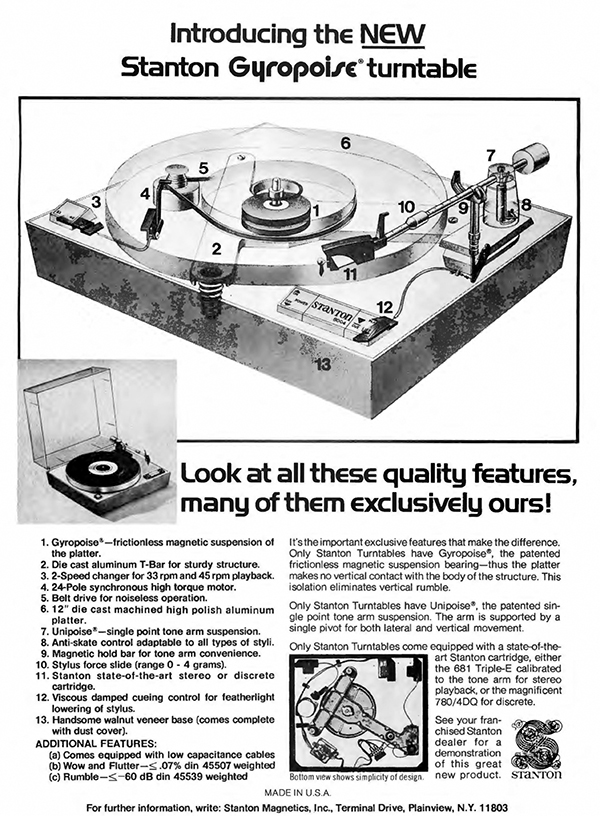
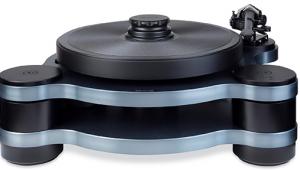
The ferrite magnets available in those days were larger and less powerful than the rare-earth types used today. This was perfectly adequate for the lighter platters of the Gyropoise models, but it was the advent of far stronger neodymium magnets that have made modern bearing solutions possible. These latest magnets are smaller but will maintain a far higher magnetic field strength – they go a long way in supporting the 10.5kg platter of the Pro-Ject Signature 12.2 and the 13.5kg platter used by Clearaudio on its Reference Jubilee model [HFN Oct ’22], in both cases reducing the load on the bearing point.
 | |||||||||||

|
|
| |||||||||








 SPONSORED VIDEO






| Equipment Reviews | |
Music Reviews Awards | |
Latest News Features | |
Resources Newsletters | |
Subscriptions |
WHERE TECHNOLOGY BECOMES ENTERTAINMENT
 © 2026 Hi-Fi News
AVTech Media Ltd
All rights reserved