The benefits of music streaming
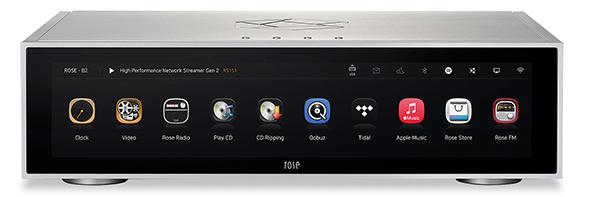
Wealth of content, value for money, easy playlist creation... You don’t need to be a member of Gen Alpha to appreciate the benefits of music streaming, says a fully signed-up Mark Craven
It can sometimes seem that every area of modern technology has its never-ending arguments. In smartphones, it’s Apple vs. Android. In computers, it’s Windows vs. Mac vs. Linux. And in hi-fi, debates continue over tubes and transistors, analogue and digital, and whether one should ever add a subwoofer to a ‘full-range’ speaker.
Another battleground is physical vs. streamed media, although in my experience much of the fighting here is being done by one side only.
The numbers game
Users of physical media, vinyl in particular, are often vociferous in their championing of the technology. Meanwhile, those who stream their music, whether that’s at no cost via an ad-supported platform or through a monthly or annual subscription, don’t tend to present as ideologues. Perhaps it’s because they’re just too busy listening to music.
In this issue [HFN May ’26] you can read our colleague Steve Harris’ thoughts on the hot topic issue of artist rewards in the streaming arena (my take on this is that it’s not only the streaming platforms that have a case to answer, but also the companies that own the music publishing rights). Here, however, I want to dig into the thoughts of another HFN colleague.
In his Off The Leash column in [HFN Jan ’26], Ken Kessler framed the physical media vs. streaming debate as a question of quality over convenience. But it’s not just convenience – the lure of streaming is also about choice and value for money. Streaming services haven’t just taken off because people are lazy.
Just look at the numbers. Amazon Music, Apple Music, Qobuz, Spotify and Tidal all claim to house over 100 million tracks. Pay a monthly subscription fee (currently £10.99 for Apple or Tidal, £11.99 for Amazon, £12.99 for Spotify or Qobuz) and you can listen to them all. Or, if you don’t mind hearing adverts, and missing out on certain track selection features, you can sign up to ‘free’ tiers of Amazon and Spotify.
Compare this to the cost of vinyl or even CD and it begins to look like a no-brainer – and that’s without even considering the price of the necessary hardware (plus any costs involved around the actual purchasing and storing of physical media).
Looking through the ‘library’ of my Qobuz subscription, in the last month I’ve listened – either partly or in full – to more than 15 albums I’d never heard before. If I’d bought these on disc or LP, I would be at least £100 down, most likely much, much more (not all of the albums are new releases, so I’m taking secondhand and sales pricing into account).
My streaming ‘habit’ also introduces me to new artists. When I only listened to CDs (and cassettes before that) I was stuck in a rut. The same bands, the same genres. New purchases were fraught with danger – you heard a good new song on the radio and crossed your fingers that the rest of the singer or band’s album wasn’t all rubbish filler. Now my music listening might take me from ’70s rock to 2020s pop, via jazz and electronica, in the space of an afternoon. I listen to more music now than ever.
Don’t knock it
Other streaming benefits include playlist creation and content recommendations. And yes, it’s convenient. Music becomes portable, available at your fingertips. This was the stuff of sci-fi 25-30 years ago.
I can understand why the streamed music model is a turn off for some. You don’t own anything. Your listening habits are being turned into data. It doesn’t come with the same rituals as playing an LP, disc or tape. You aren’t supporting bricks and mortar retailers. You want more of your money to go to the artist, not the middleman. You might already have a huge physical media collection.
But on the other hand, the phrase ‘don’t knock it till you’ve tried it’ springs to mind. And the sound quality? Only you can be the judge of that.





















 SPONSORED VIDEO






| Equipment Reviews |  |
Music Reviews Awards | |
Latest News Features | |
Resources Newsletters | |
Subscriptions |
WHERE TECHNOLOGY BECOMES ENTERTAINMENT
 © 2026 Hi-Fi News
AVTech Media Ltd
All rights reserved