One battle after another
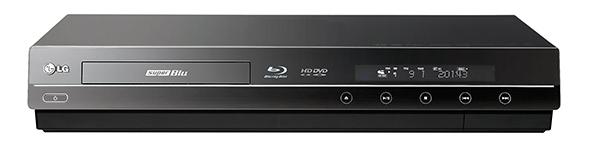
Where once there were numerous ‘format wars’, music and film enthusiasts benefit from a settled landscape of home media technology where everyone’s a winner, says Mark Craven
While reading archive copies of HFN as research for the Seven Decades Of Hi-Fi feature in our 70th Anniversary issue [HFN Jun ’26], I was struck by something. Well actually I was struck by many things, from the price tags in pounds, shillings and pence, to the sight of brand names long since forgotten. But what do I want to talk about here? Format wars.
It’s easy to forget now, but these were once almost ridiculously common, both in the wider world of home entertainment technology and hi-fi in particular. Some of them were so significant that they continue to be pop culture references decades after the fact, like the VHS versus Betamax tussle of the late-’70s/’80s.
Good and bad
Format wars fascinate me. They are surely drivers of technological development, similar to – but less exciting than – the 1950s-’70s ‘space race’ between the US and the USSR. Therefore they are good for consumers, while also being bad for consumers who have to struggle with choosing between different technologies, and risking being out of pocket after buying something soon to be made obsolete. I also wonder if they put consumers off new technologies in general, by fostering a weary cynicism about any format that comes along.
For the seasoned tech-watcher, the format wars roll off the tongue: Dolby Digital vs DTS, MiniDisc vs Digital Compact Cassette, SACD vs DVD-Audio, Blu-ray vs HD DVD. And that’s not to count the lone formats that came and went without barely making a splash, such as Elcaset or CD-i. Even vinyl users weren’t completely spared. In 1978, HFN and its sister magazine Studio Sound released the Quadrafile double LP, housing a selection of tracks (including Pink Floyd’s ‘Money’) in the four different flavours of quadraphonic sound (SQ, UD-4, CD-4 and QS). It’s no wonder quad audio never really took off...
Fine-tuning focus
After enjoying my trip down memory lane, I realised that format wars are a thing of the past (touch wood). In 2026, media playback methods are generally settled: vinyl, CD and digital files for music; DVD, Blu-ray and digital files for TV and film. The last new format of note is arguably the 4K variant of Blu-ray, and that’s now ten years old.
This doesn’t mean that manufacturers have stopped pursuing technical innovations. But they appear to be focused on improving current formats rather than inventing new ones. Music streaming, for example, has come a long way since the days of low-quality MP3 files, while adaptive codecs have allowed video-on-demand companies like Netflix to push a lot more picture information ‘down the pipe’.
The lack of any serious format war in the last 10-15 years has, in my opinion, made life a lot easier for the consumer. Yes, there are still anguished decisions to be made about which new cartridge/amplifier/loudspeaker to invest in, but none of the worries about backing the wrong technological horse.
That said, are things now a little less... exciting? Recalling the various format fights of the 1990s and 2000s also made me remember the first time I watched a movie on DVD, the first time I heard a multichannel SACD, the first 3D Blu-ray release. By way of comparison, I can’t remember the first time I streamed a 192kHz/24-bit music file.
Maybe, then, a new, innovative music and/or video format would be nice. Just as long as a rival one doesn’t arrive in the same year and we’re expected, yet again, to choose between them.





















 SPONSORED VIDEO






| Equipment Reviews |  |
Music Reviews Awards | |
Latest News Features | |
Resources Newsletters | |
Subscriptions |
WHERE TECHNOLOGY BECOMES ENTERTAINMENT
 © 2026 Hi-Fi News
AVTech Media Ltd
All rights reserved