Enjoyment comes first
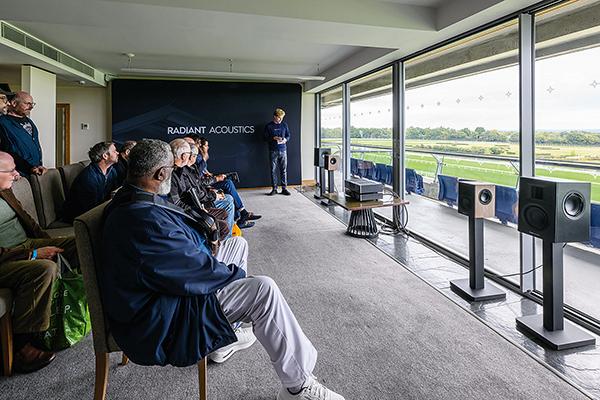
Suffering from Critical Listening Syndrome? To be fully engaged in your music, says Barry Willis, you need to stop worrying about every aspect of the system sound – or you’ll never be happy
You see them at every hi-fi show: scowling audiophiles shuffling from one demo room to the next, unhappy with everything they hear. Why the unhappiness? Blame it on Critical Listening Syndrome (CLS). CLS afflicts newcomers and veterans alike – in fact, it sometimes seems to be the raison d’être for the majority of audiophiles. Those with CLS assume that ‘critical’ means griping about every little flaw in every system and every technology, rather than assessing benefits versus drawbacks. In truth, the term implies global analysis of musical presentation rather than simple fault-finding, but the emphasis on negativity is widespread.
Pursuit of perfection
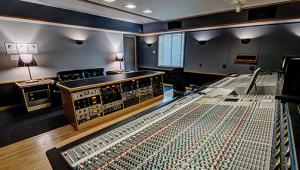
It even affects audio professionals, such as my friend Morris. A career recording-and-mastering engineer and a talented loudspeaker designer, Morris recently confessed that critical listening consumes almost the entirety of his waking hours – it’s what he does all day, to such an extent that the only time he can turn it off is in his car. ‘That’s the only place where I enjoy music for its own sake’, he said, ‘because I don’t have to analyse how it could be improved’. Wherever we fit in the audio ecosystem, almost all of us got involved because of our love of music. Few if any discovered music as a result of being audio geeks. For most of us, the listening skills we have developed over time serve us well, enabling us to choose equipment and playback formats that resonate for us, and aiding us in organising and optimising our listening rooms. That’s all very beneficial, but what do we do once the room and its system are as good as they are likely to be given the constraints of budget, space, and furnishings? My easy-to-assert but perhaps hard-to-implement suggestion: put away the toolkit of critical listening, sit back, and enjoy the music. You’ve already tweaked speaker placement and room acoustics. You’ve chosen the best playback gear you can afford, and you’ve collected many favourite recordings.
The reason you’re not fully engaged is that you can’t stop thinking about better detail, more compelling dynamics, deeper imaging, or more immersive bass. It’s a self-defeating syndrome. CLS sufferers can’t let go of constant analysis and simply be there with the music.
Let it go
It doesn’t have to be this way. I don’t have a 12-step programme to bring audio compulsives back into the fold of naive music lovers, but I do have a method that works for me. I have the requisite set of analytical tools to recognise what can be improved in an audio system and generally, the skills to make improvements happen. I use those skills in setting up a new system or in optimising the performance of a new piece of gear. Once the tweaks are done, I put away the critical listening toolkit. I learned long ago that I’m far happier simply adjusting myself to the artefacts of audio systems, than I am in obsessing about what’s wrong with them.
I may not enjoy the ear-bleeding industrial noise of a high-pressure dance club, nor get much satisfaction from the pipsqueak output of a mobile phone, but exposure to such sonic extremes is rare and momentary. For the most part I find that once setup and tweaking are done, I can just appreciate the music.
It might work for you, too. You may be surprised and delighted to discover how much enjoyment resides in less-than-optimal situations or formats. There are tons of engaging performances on YouTube, Internet radio, and myriad streaming services. They’re all out there waiting for you. Let go of critical listening and give them a chance.

















 SPONSORED VIDEO






| Equipment Reviews |  |
Music Reviews Awards | |
Latest News Features | |
Resources Newsletters | |
Subscriptions |
WHERE TECHNOLOGY BECOMES ENTERTAINMENT
 © 2026 Hi-Fi News
AVTech Media Ltd
All rights reserved