Classical, July 2026
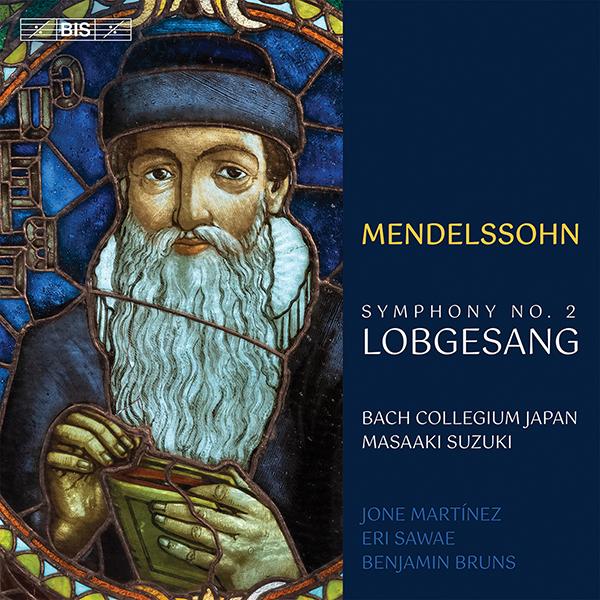

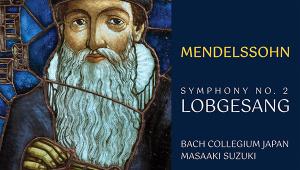
Bach Collegium Japan/Masaaki Suzuki
Mendelssohn: Symphony No.2
BIS BIS2761 (downloads to 96kHz/24-bit resolution)
You’d expect Suzuki to mould the cantata portion of Mendelssohn’s ‘Hymn Of Praise’ with the text-based spring and clarity of his Bach, and so it proves, also with a gratifyingly strong organ. In the same Lutheran-Romantic spirit of muscular jubilation, the choral singing doesn’t fuss and finesse each phrase, while Suzuki’s direction points up every twist of the viscerally illustrative harmony on this ‘light-to-dark-to-light’ journey. Perhaps the period-portamento in the 3/4 section of the Sinfonia is a bit much but period horns and trombones evoke the shades of a Turner sunset. Whereas Suzuki’s recent Missa Solemnis and German Requiem felt too lightweight for their subjects, Mendelssohn apparently captures him in his element. PQ
Sound Quality: 90%
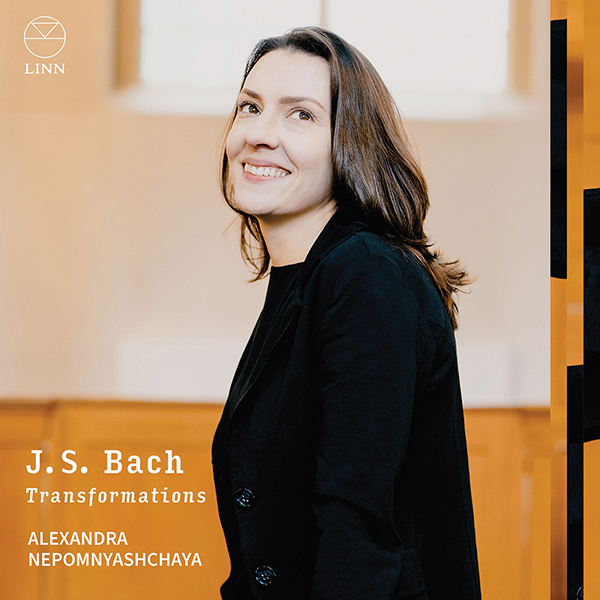
Alexandra Nepomnyashchaya
‘Transformations’: Works by J.S. Bach
Linn CDK789 (two discs; downloads to 192kHz/24-bit resolution)
As Richard Egarr notes in his lively essay, Bach added a personal touch every time he transcribed music, his own or by others. His solo-harpsichord treatments of Italian concertos are ‘colourful and “filled out” in ways neither Vivaldi or Marcello could have imagined’. Equally unfamiliar and intriguing is this keyboard version of the solo-violin Sonata BWV1005. Nepomnyashchaya digs into the added harmony of the opening Adagio to maximise its gravitas, and remarkably makes the harpsichord ‘sing’ with a legato of its own in the following fugue. To finish, Bach’s Italian Concerto proper sounds more ‘original’ than ever as an Italo-German fusion of idioms. PQ
Sound Quality: 90%
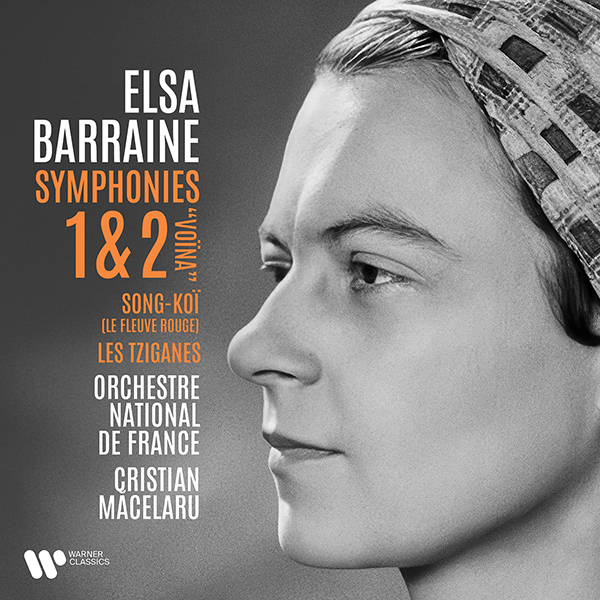
Orch Nat De France/Cristian Macelaru
Barraine: Symphonies Nos 1 & 2, Song-Koï: Le Fleuve Rouge
Warner Classics 2173255519 (downloads to 96kHz/24-bit resolution)
Elsa Barraine wrote in a contemporary tonal style which should appeal to anyone familiar with Roussel and Schmitt. Three-movement symphonies were in vogue during the ’30s, and these two are well balanced examples, tightly wound and luminously orchestrated with a light hand on the percussion. Angular and turbulent, No.2 bears comparison with symphonies by Honegger and Martinů in this scrupulously played and engineered revival. The filler is a 1945 ballet suite on a Thai subject: next-gen Ravel, nearer in sound and spirit to her friend Messiaen. PQ
Sound Quality: 85%
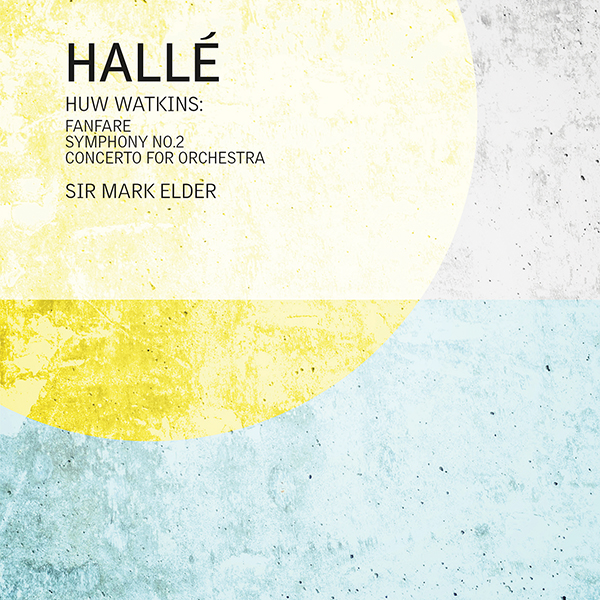
Hallé/Sir Mark Elder
Watkins: Symphony No 2, Concerto For Orchestra
Hallé HLL7569 (downloads to 48kHz/24-bit resolution)
While motivated by an essentially tonal conflict, in a tradition of British-symphonic forebears headed by Vaughan Williams, the three movements of Watkins’ Second (2021) flow and surge restlessly with the zeitgeist. String-haloed modal harmony glows like a moonlit pool in a forest clearing; the outer movements flicker and dance with Midsummer-Night energy. Less goal-directed, more rhythmically elusive, the Concerto For Orchestra (2025) taps into a more urgent life-force inherited from Tippett, especially in a large-scale, tripartite central nocturne. Edited from concerts and rehearsals, the finished product is impressively seamless. PQ
Sound Quality: 85%








 SPONSORED VIDEO






| Equipment Reviews |  |
Music Reviews Awards | |
Latest News Features | |
Resources Newsletters | |
Subscriptions |
WHERE TECHNOLOGY BECOMES ENTERTAINMENT
 © 2026 Hi-Fi News
AVTech Media Ltd
All rights reserved