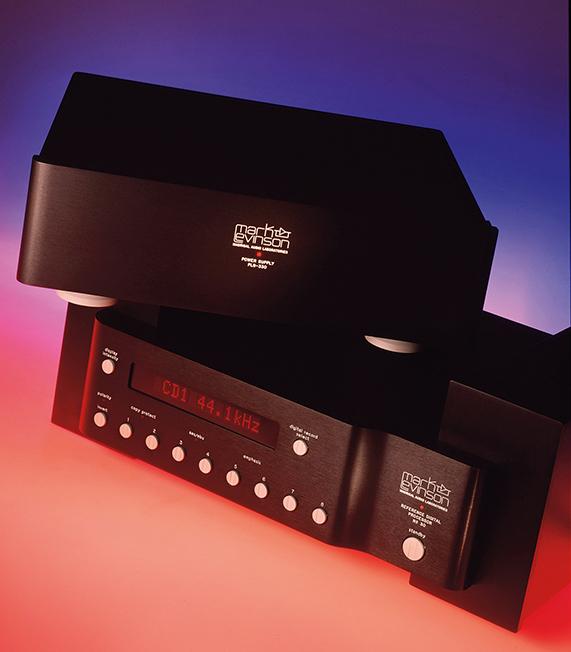

A new reference? Martin Colloms and Ken Kessler assess the performance of the American manufacturer’s dual-box flagship DAC
The Mark Levinson No30 can be regarded as the ultimate exposition in digital decoding design at the present state-of-the-art. A matching transport, called the No31, will soon be made available, for the designers are anxious not to be found wanting in any department – save, it must be said, that of economy.
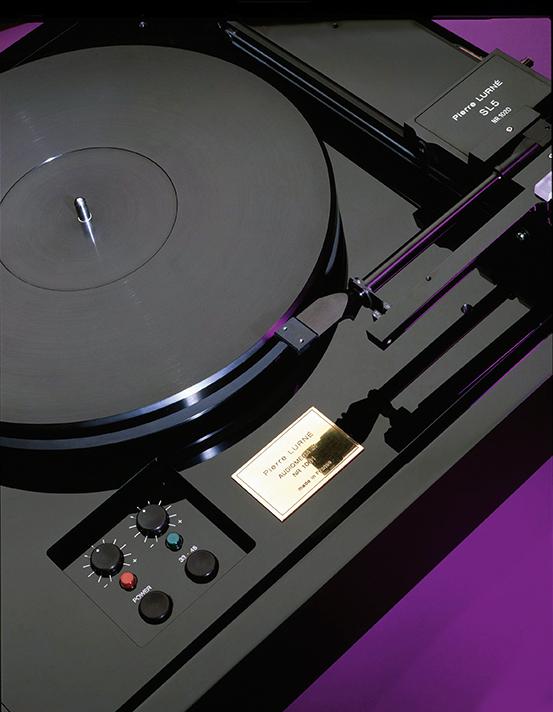
Martin Colloms applauds the polished performance of this French-made belt-drive turntable and matching ‘pseudo-unipivot’ linear-tracking arm
In the UK, the turntable market has been dominated for a number of years by Linn’s LP12 – now well-priced by audiophile standards. Many attempts have been made to produce and sell better and more costly models, but it turned out that a far higher price had to be paid to achieve a genuine sound improvement. Enter the French products of Pierre Lurné – a turntable lineup which has enjoyed success for some years on the continent, but has only recently become available here.
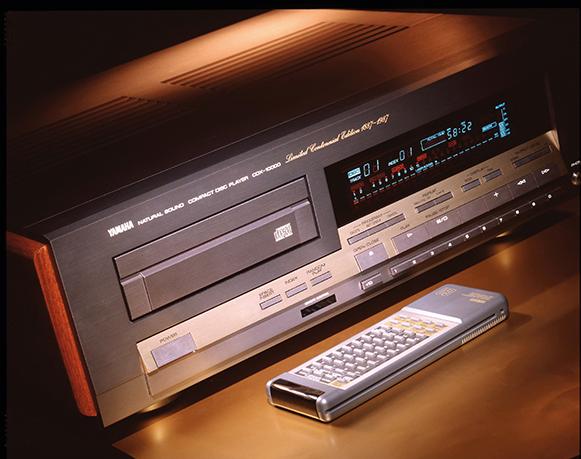
Launched to celebrate the Japanese manufacturer’s 100th anniversary, this feature-laden CD player earns the praise of Martin Colloms
Our feature review series has been planned to include audiophile and flagship CD models, and that is certainly an accurate description of the magnificent-looking Yamaha CDX-10000. This forms a major component in a new series of limited edition audio separates which have been designed and built with virtually no concession to cost in celebration of Yamaha’s centenary. This covers the period 1887 to 1987, and the models are appropriately entitled the ‘Centennial Edition’.
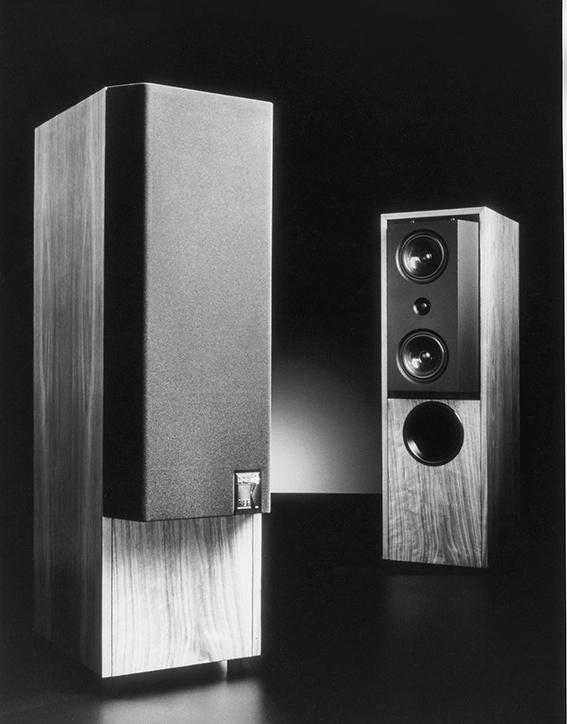
Martin Colloms looks in depth at KEF’s latest Reference series speaker – a five-driver floorstander with innovative force-cancelling bass system
The giant professional KM1 apart, KEF has been pretty quiet in the large loudspeaker market during the past year or two. The Reference series has run on without much fanfare, and most of the action has been with the budget ‘C’ range, particularly the highly competitive Coda, now in Mark 3 guise.
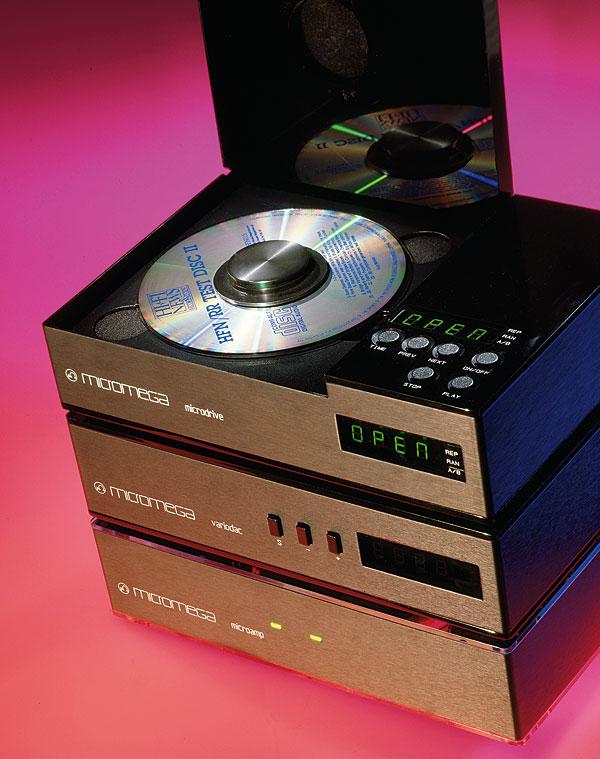
Miniature components claiming high-end performance... Martin Colloms hears French company Micromega's Microdrive, Variodac and Microamp
Sitting in a neat stack on the desk in front of me as I write, the subjects of this review remind me of those pretty Toshiba Aurex units of yesteryear [HFN Apr '16]. There are three Micromega components in all: the Microdrive CD transport (an improbably small device, this); the Variodac, comprising a Bitstream digital-to-analogue converter with remote power volume control and an additional line input; and finally, the Microamp, a neat-looking stereo power amplifier block.
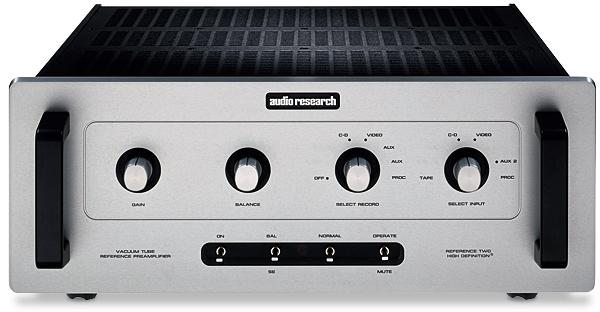
Martin Colloms wonders if this all-tube line preamplifier can re-establish Audio Research's supremacy in the exalted reaches of the high-end
As an increasing number of digital source components come equipped with variable output level one might think that line controllers – preamps without a phono cartridge input facility – are an endangered species. This will make sense to those embarking on an all-digital system, mixing a variety of digital sources and prepared to convert from the analogue disc domain to digital via an A/D converter function. Indeed, some digital control units are digital-only and cannot handle analogue signals at all.
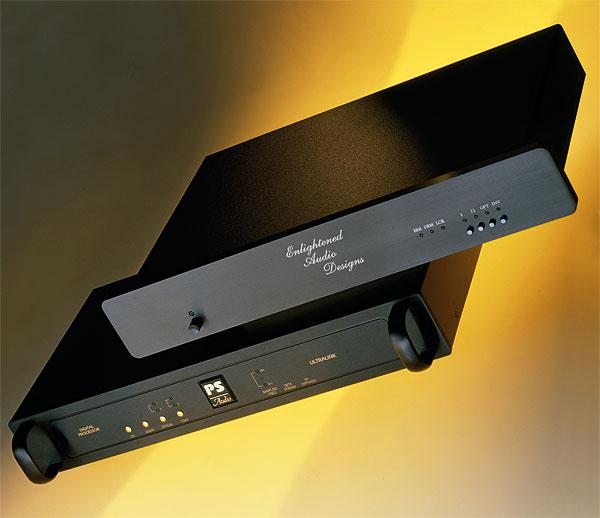
Martin Colloms hears two outboard DACs featuring 20-bit chips in custom circuits – Enlightened Audio Designs' DSP7000 and the PS Audio Ultralink
American specialists, like their UK counterparts, continue to develop new variations on the available digital technology to produce DACs with audiophile appeal. This review covers two of the more intriguing examples, using some of the most advanced devices available to designers. The Enlightened Audio Designs DSP7000 is based on the 20-bit Analog Devices chip, while PS Audio has chosen an Ultra Analog dual 20-bit converter. What bearing the two choices of technology will have on sound quality remains to be seen!
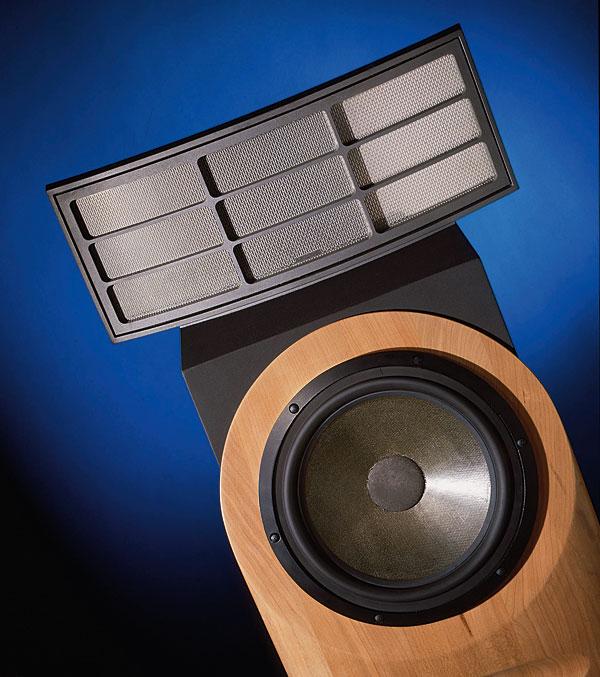
The Indian company has reworked its hybrid electrostatic speaker ready for production as the Arca. It's an ambitious project, says Martin Colloms
When they weren't playing, I found the appearance of these loudspeakers to be disconcerting because their normally exposed electrostatic elements are shrouded in a black cloth hood to keep out the dust. But when the cloth is removed, and the elements are exposed for use, their silvery perforated stator elements are presented in striking full view.
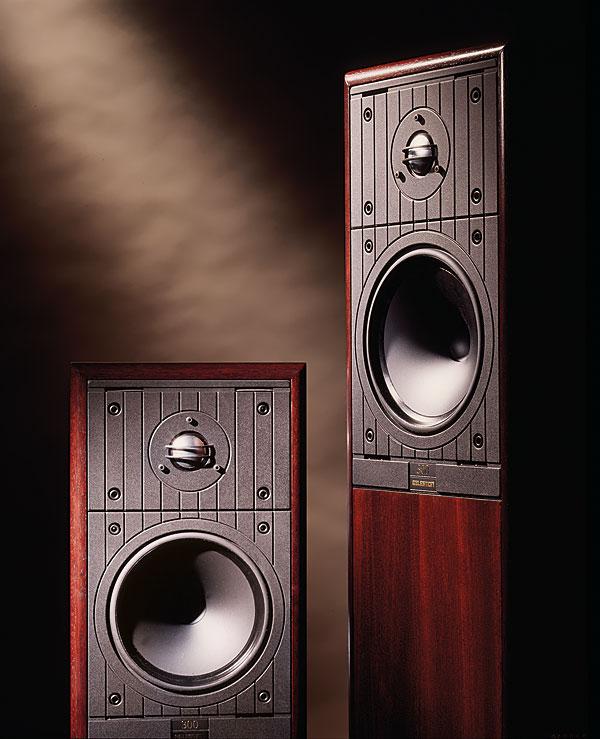
This slim design offers the traditional benefits of transmission line bass loading yet manages to overcome the drawbacks, says Martin Colloms
New ideas are being introduced at Celestion to bring its upmarket SL series into the 1990s. The first example, designed by Bob Smith, was the 100 [HFN Nov '91] followed now by the 300 reviewed here. This is a £1000 floorstander that aims to bring improved bass extension, power handling and superior dynamics to the genre, while sensitivity remains below average at 84dB/1W. A remarkable aspect of the 300 is its transmission line loading, a first for Celestion, and developed with an unusually authoritative theoretical approach, by the designer Martin Roberts.
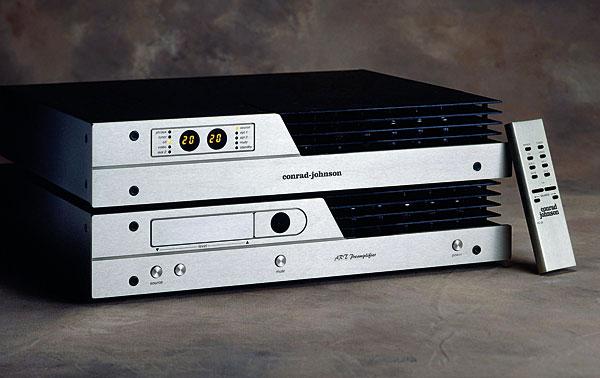
Martin Colloms shows some ART appreciation as the US company celebrates 30 years with a statement single-ended line-only preamp
Conrad-Johnson's 'Anniversary Reference Triode' has been some time in the making. In fact, an early version was developed seven years ago which has since been used as a lab reference. The ART is simply a remote-controlled line preamplifier, which at £15,000 is priced far beyond any previous Conrad-Johnson offering in this sector. It will be made in a limited edition of just 250 – probably just right for a modest production run at this elevated price level.