Classical, September 2026
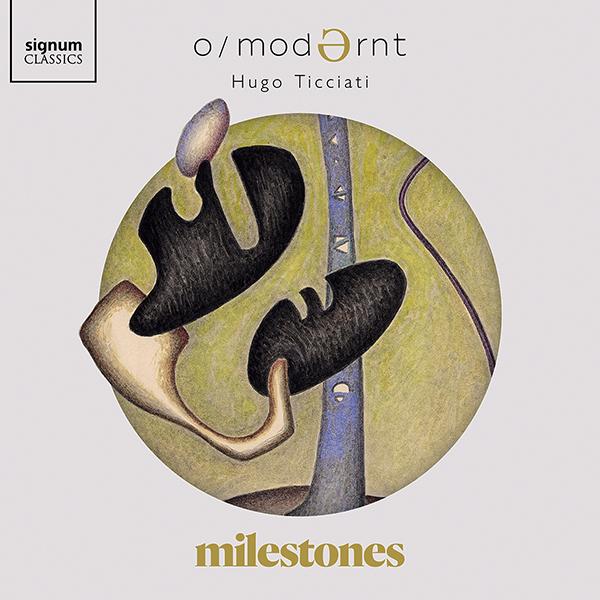

O/Modernt, Hugo Ticciati
‘Milestones’
Signum SIGCD980
If you’re wondering what Josquin, Stravinsky and Miles Davis have to say to each other – well, give this a try. Ticciati and his collective – the name means ‘(Un)Modern’ in Swedish – have refined the art of making bold and unlikely connections work: an act of performance like a late-Beethoven quartet. By the time a dreamy horn solo drifts over the top of shimmering strings in Josquin’s Mille Regretz, you roll with it. What they don’t do is mash up the distinct styles into a pretentious soup. Stravinsky sounds as Russian and spiky as ever in his early Three Pieces for quartet. Judiciously balanced with headphone listening in mind, Miles’s So What sets off with the weight of the world on its shoulders before barrelling downhill. PQ
Sound Quality: 90%
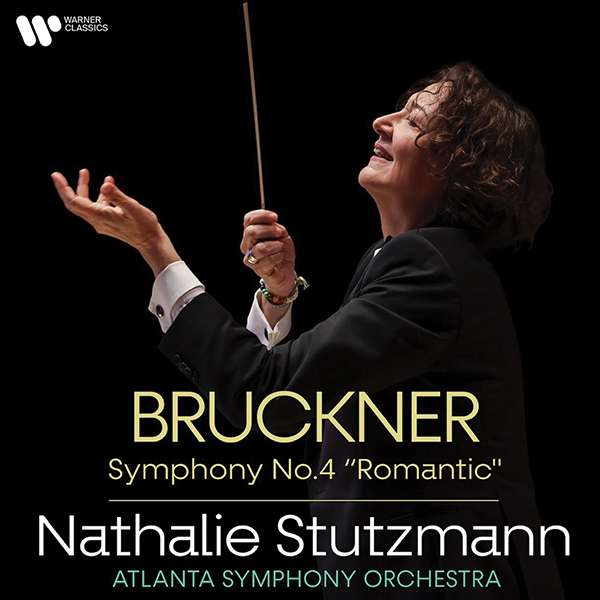
Atlanta SO/Stutzmann
Bruckner: Symphony No.4
Warner Classics 2685432421 (downloads to 96kHz/24-bit res)
This revives happy memories of 7 and 9 in concert: Stutzmann has a real affinity with Bruckner. She certainly doesn’t rush her fences – at 72m this 4th is slower than Karajan’s – but she has a sure feeling for the elusive pulse. Flecks of woodwind detail fill in the picture, which is painted on an unapologetically broad scale. The finale here is a particular triumph, as she coaxes warm, congenially moulded phrasing from the Atlanta strings without overdoing the rustic charm. The 1880 version is reassuringly trad; so too the weight gently emanating from the string bass. The effect is to underline Bruckner’s stunning originality as a symphonic thinker. PQ
Sound Quality: 90%
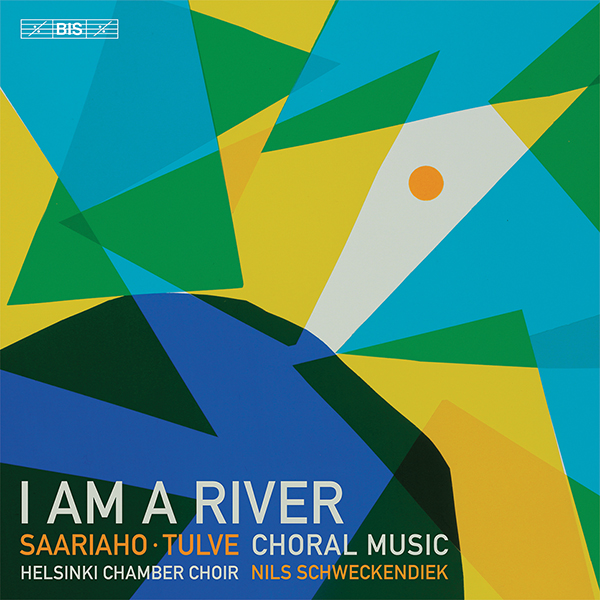
Helsinki Chamber Choir/Schweckendiek
‘I Am A River’ – Choral Music By Saariaho And Tulve
BIS BIS-2742 (SACD; downloads to 96kHz/24-bit resolution)
Saariaho and Tulve pair well. They don’t do minimalism, holy or otherwise, but they emulate the example of Ligeti, his outlandish humour and exquisite, edge-of-tonal harmony, in their writing. A recital of Finnish names becomes a mysterious rite punctuated by stamping feet, jingling johnnies and what sounds like a brawl in a zoo. That’s Saariaho in 1979, whereas a tiny trilogy from 2003, Nej Och Inte, has the rough, timeless simplicity of invented folk. A more sensuous mood envelops Tulve’s settings of Rumi and Célan with cloudy clusters, pitched and floated by the Helsinki voices with astonishing assurance. PQ
Sound Quality: 90%
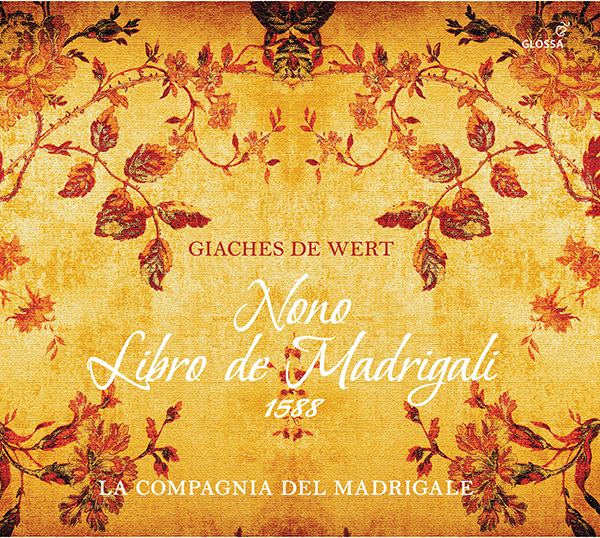
La Compagnia Del Madrigale
De Wert: Ninth Book Of Madrigals
Glossa GCD922813 (downloads to 96kHz/24-bit resolution)
Giaches de Wert was in his 50s, pursuing an illicit affair with the most famous singer in Italy, while his own wife languished in prison, when he wrote his ninth book of madrigals in 1588. Rather than art meeting life, however, I hear a late-in-life, rebellious freedom in his elegant settings of Petrarch and Tasso. The harmony isn’t as radical as Gesualdo or Marenzio, the text setting less choppy, or so this immaculate all-Italian consort makes it sound. Compared to the Consort of Musicke’s old version of Book 7, the palette is darker, the vocal impasto thicker, for pieces in which serenity must yield to melancholy with the inevitable tug of a 16th-century Joy Division. PQ
Sound Quality: 85%









 SPONSORED VIDEO







| Equipment Reviews |  |
Music Reviews Awards | |
Latest News Features | |
Resources Newsletters | |
Subscriptions |
WHERE TECHNOLOGY BECOMES ENTERTAINMENT
 © 2026 Hi-Fi News
AVTech Media Ltd
All rights reserved