Classical, January 2026
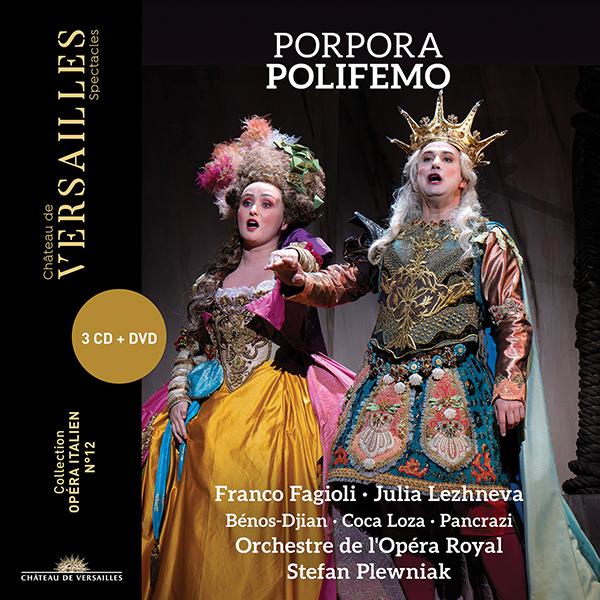

Fagioli, Lezhneva, Opéra Royal/Plewniak
Porporà: Polifemo
Chateau de Versailles CVS159 (three discs + DVD; downloads to 96kHz/24-bit)
Teacher of both Haydn and the castrato Farinelli, Nicolo Porporà was one of those 18th-century Neapolitans making ‘suits for singers’: operas (around 50) prioritising vocal fireworks over dramatic tension. He wrote this retelling of the Acis And Galatea legend for the London stage in 1735, on a much more ambitious scale than Handel’s masque. What suits they are, if the singers have the style and technique to wear them. On CD, it’s tempting to bypass the recits and revel in the gilded trills and top notes of Julia Lezhneva’s Galatea, the elegantly pointed mezzo of Eleonore Pancrazi as Calypso, and the breathtaking agility of Paul-Antoine Bénos-Djian as a countertenor Ulysses. The DVD of the full staging happily fills in the gaps. PQ
Sound Quality: 90%
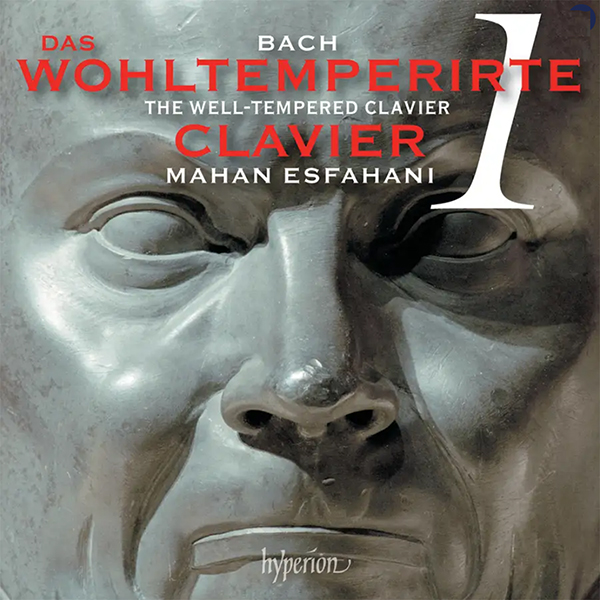
Mahan Esfahani
Bach: The Well-Tempered Clavier, Book 1
Hyperion CDA68451-2 (two discs; downloads to 192kHz/24-bit res)
Esfahani’s WTC feels harvested in due season as the fruit of private pleasure as well as study. Whether pathos-laden (B flat minor) or sunny and sprightly (B major), phrases breathe and bend. In the booklet, Esfahani and his technician Simon Neal explain the care taken to register the instrument (by Huw Saunders, copying a 1710 model) for each piece. There’s a compelling fusion of man and machine as they purr around the tight corners of the final B minor fugue like a Pagani on the cobbled streets of Siena. Here, not quite final, as Esfahani’s last personal touch is to reprise the C major Prelude, as a Goldbergian back cover to the volume. PQ
Sound Quality: 90%
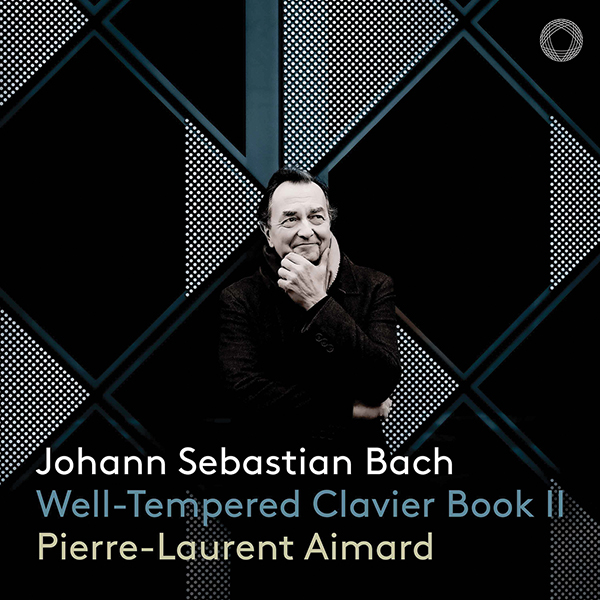
Pierre-Laurent Aimard
Bach: The Well-Tempered Clavier, Book 2
Pentatone PTC5187462 (two discs; downloads to 96kHz/24-bit res)
Individuality without mannerism is likewise the hallmark of Aimard’s Book 2. His piano speaks as much as sings, and I can’t recall another version of such inner-part clarity – not to be confused with pedantry. At under two hours, the timing looks quick, but the ear is guided rather than hustled through the fugues. Preludes are articulated as if read aloud like sonnets. In matters of attack and rubato, Aimard thinks with the piano rather than applying preconceived notions of ‘French’ or ‘German’ style. I would never throw out Feinberg (piano) or Leonhardt (harpsichord), but both Aimard and Esfahani will now join them, I fancy, as well-thumbed volumes in my Bach library. PQ
Sound Quality: 90%
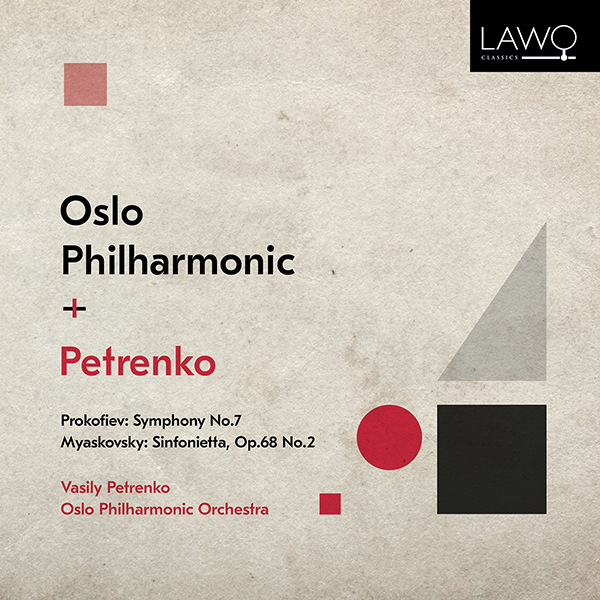
Oslo Philharmonic/Petrenko
Myaskovsky: Sinfonietta; Prokofiev: Symphony No.7
Lawo LWC1389 (downloads to 192kHz/24-bit resolution)
Volume 3 of this illuminating Prokofiev/Myaskovsky cycle presents an inscrutable pairing. A blind listening to the Sinfonietta and you might guess at unknown early Elgar in his Serenade For Strings vein. The context of Moscow in 1946 makes more sense (at least as an act of escapism) when you discover that Myaskovsky was reworking a 1907 quartet of piano ‘Frolics’. The Allegretto of Prokofiev 7 opens in similarly playful mood, and its kooky dance rhythms are deliciously turned here. You have to try very hard to find clouds of irony or late-style resignation darkening the symphony’s sunny skies, and Petrenko plays a commendably straight bat. PQ
Sound Quality: 90%










 SPONSORED VIDEO






| Equipment Reviews |  |
Music Reviews Awards | |
Latest News Features | |
Resources Newsletters | |
Subscriptions |
WHERE TECHNOLOGY BECOMES ENTERTAINMENT
 © 2026 Hi-Fi News
AVTech Media Ltd
All rights reserved